Interview: Carl Moller on cooking in the wild at Tsowa Safari Island
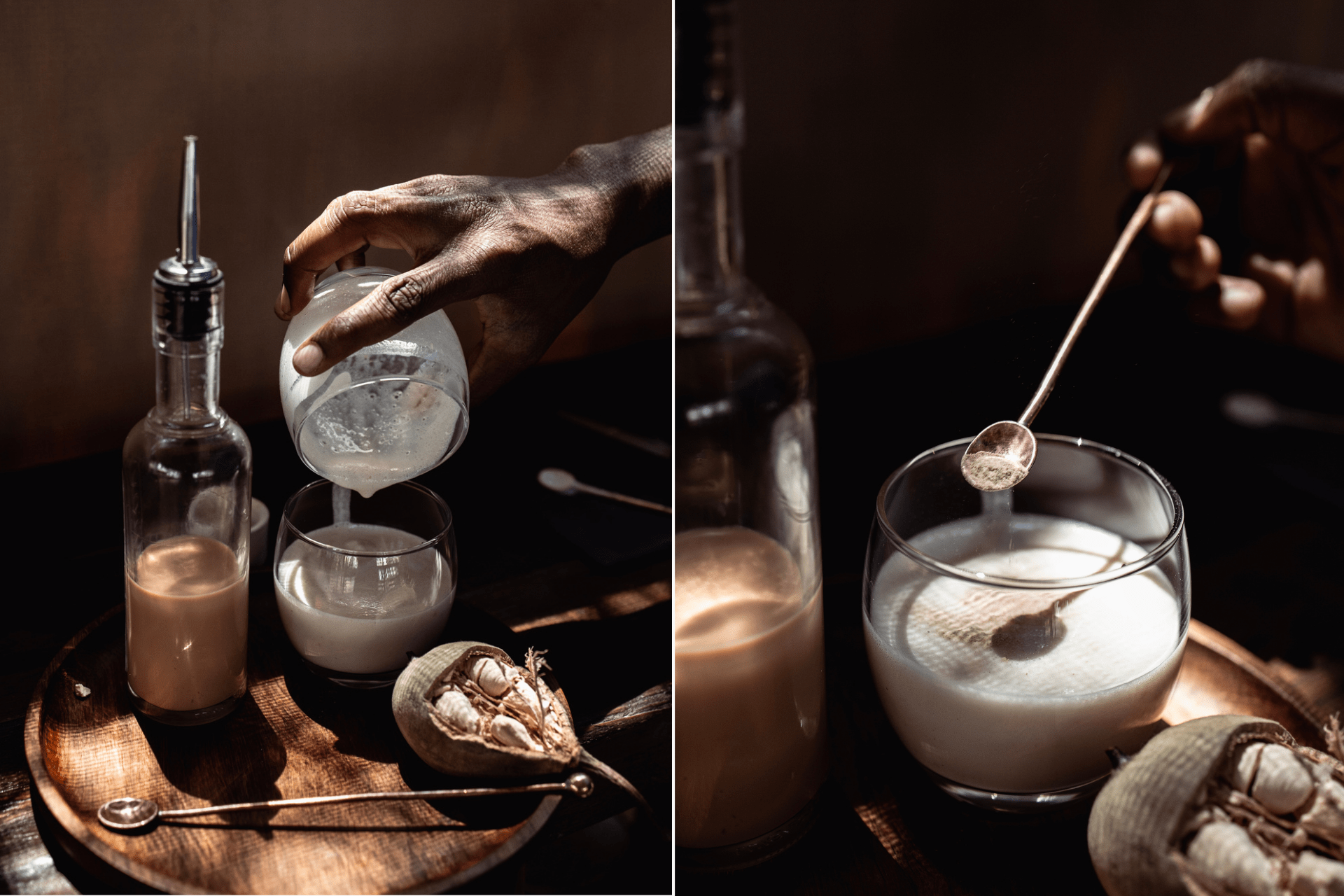
On a private island in the middle of the Zambezi River, dining takes on a distinctly Zimbabwean rhythm. For guests at Tsowa Safari Island, the first welcome often comes in the form of a Baobab and Amarula cocktail: a creamy blend of local fruit, milk and South Africa’s signature cream liqueur. It’s a fitting introduction to an F&B programme that fosters a strong sense of place.
Under the direction of Isibindi Africa’s Executive Chef, Carl Moller, the kitchen celebrates local heritage while championing sustainability and self-sufficiency. His “food of the future” philosophy favours unprocessed, ethically sourced ingredients, many of them grown within sight of the lodge. From hydroponic farms near Victoria Falls to community coffee growers along the Zambezi, even the island’s herb garden, built from repurposed materials and nourished with kitchen compost, reflects resourcefulness.
We sat down with Moller to talk about how sustainability shapes every decision, and why cooking in the wild continues to inspire him.
When did you first fall in love with cooking?
I started experimenting and cooking at a young age, trying all sorts of techniques in the search for flavour.
How would you describe your culinary style?
I’m drawn to real ingredients. I would say my style is grounded in modern African influences and shaped by sustainability. I believe in exceeding expectations quietly, with no theatrics. Just beautiful food that feels right in its setting.
What is your culinary vision for the menu at Tsowa Safari Island?
At Tsowa, the food must echo the wild elegance of the island. It’s about restraint and respect: for the setting, the ingredients and the people. We use what’s available locally and seasonally, with flavours that reflect the region. Each dish needs to be consistently replicable by the team, but still memorable.
Do you have a favourite dish on the menu?
Indumba Mufushwa Risotto. We use dried indumba leaves, or cowpeas, purchased from the local market, and cook them the traditional way by rehydrating them and then gently cooking them down with onion, tomato, garlic and peanut butter. This is then blended into a traditional risotto base and finished with grated parmesan, roasted peanuts and cherry tomatoes.
What is your approach to sustainability?
Sustainability is foundational. We’re cooking in some of the most pristine, ecologically sensitive environments in Africa. That demands care. We minimise waste, use local ingredients, reduce single-use plastics and compost kitchen scraps. We don’t just tick boxes, it’s built into our daily operations.
We’ve implemented a really effective system for growing fresh microgreens at our more remote lodges. At Tsowa, we’re running a water purification system, solar and separating waste before it’s ferried off the island. These aren’t gimmicks, they’re necessities that have become strengths.
What is the most important lesson you’ve learned during your career?
That there really are no shortcuts. There is no substitute for time and hard work.
Which chefs have inspired you?
Neil Perry and his book, Rockpool. But also, the chefs I work with daily at our lodges who execute our recipes day in and day out.
What are the biggest challenges faced by the hospitality sector at the moment, and how are you tackling them?
For us, logistics is a daily test. We operate in incredibly remote, wild locations: feeding guests luxuriously where there’s no easy supply chain. We overcome this with meticulous planning, strong local supplier relationships and self-sufficiency. For example, growing microgreens, managing water purification and composting waste.
What’s your next project?
I’d love to create a mentorship programme that helps young people from our community grow into culinary roles. Many of our current chefs started with no formal training. Helping shape the next generation of local talent would be an honour, and one of the most meaningful ways to give back.
What is your favourite dish and who cooks it?
Lamb Biryani and Dhol, served with cucumber and maas salad (cooked by my wife).