Interview: Connor Wilson on provenance-driven cooking at The Kirkstyle Inn
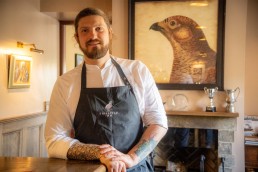
Connor Wilson was born just ten miles down the road from The Kirkstyle Inn – a gastropub with rooms nestled in the Northumberland village of Slaggyford – where he would later become Head Chef.
Because of this close connection to the land and community he grew up in, Wilson’s philosophy is rooted in a deep respect for food provenance. He sources the finest ingredients from small, local producers across the North of England, often purchasing whole animals to ensure every part is used. This approach allows him to craft thoughtful, flavourful dishes while minimising waste.
Preservation techniques including pickling and fermentation are also part of his ethos, helping to build a well-stocked pantry that not only reduces reliance on distant suppliers but also lowers the restaurant’s carbon footprint during leaner seasons.
We sat down with Wilson to talk about how he first fell in love with cooking, the classical and Nordic influences behind his food and his vision for The Kirkstyle Inn’s latest menus.
When did you first fall in love with cooking?
I fell in love with cooking when I was around 14 years old, while working as a kitchen porter in a local pub. I really loved how everyone had a part to play in making a great experience for the guests, from the chefs and front-of-house team to the kitchen porters and cleaners. I always loved the camaraderie and how when anything went wrong, everyone jumped in to sort it out. Around the same time Heston Blumenthal was all over the TV making incredible food creations. I liked the idea that there was no limit to the creativity of it all, although I have to admit, that type of food is not what I like to cook myself.
How would you describe your culinary style?
Our style is heavily rooted in classical French flavours and techniques, with a Nordic influence. We use a lot of pickling and fermenting for the depth of flavour it brings, but also because it helps us to utilise ingredients that may otherwise be difficult to use. It also helps us prolong each item’s season, which can often be quite short, especially in the North of England.
What is your culinary vision for the menu at The Kirkstyle Inn?
The menus at The Kirkstyle Inn are really an extension of myself and Northumberland as a whole. I was born and raised here and I want people who are making the journey to us to get to experience all that there is to offer. We have a lot of amazing ingredients around us, especially the game from the surrounding estates and some exceptional lamb. This is the backbone of what we do, but we always try to deliver it with skill and precision.
Do you have a favourite dish on the menu?
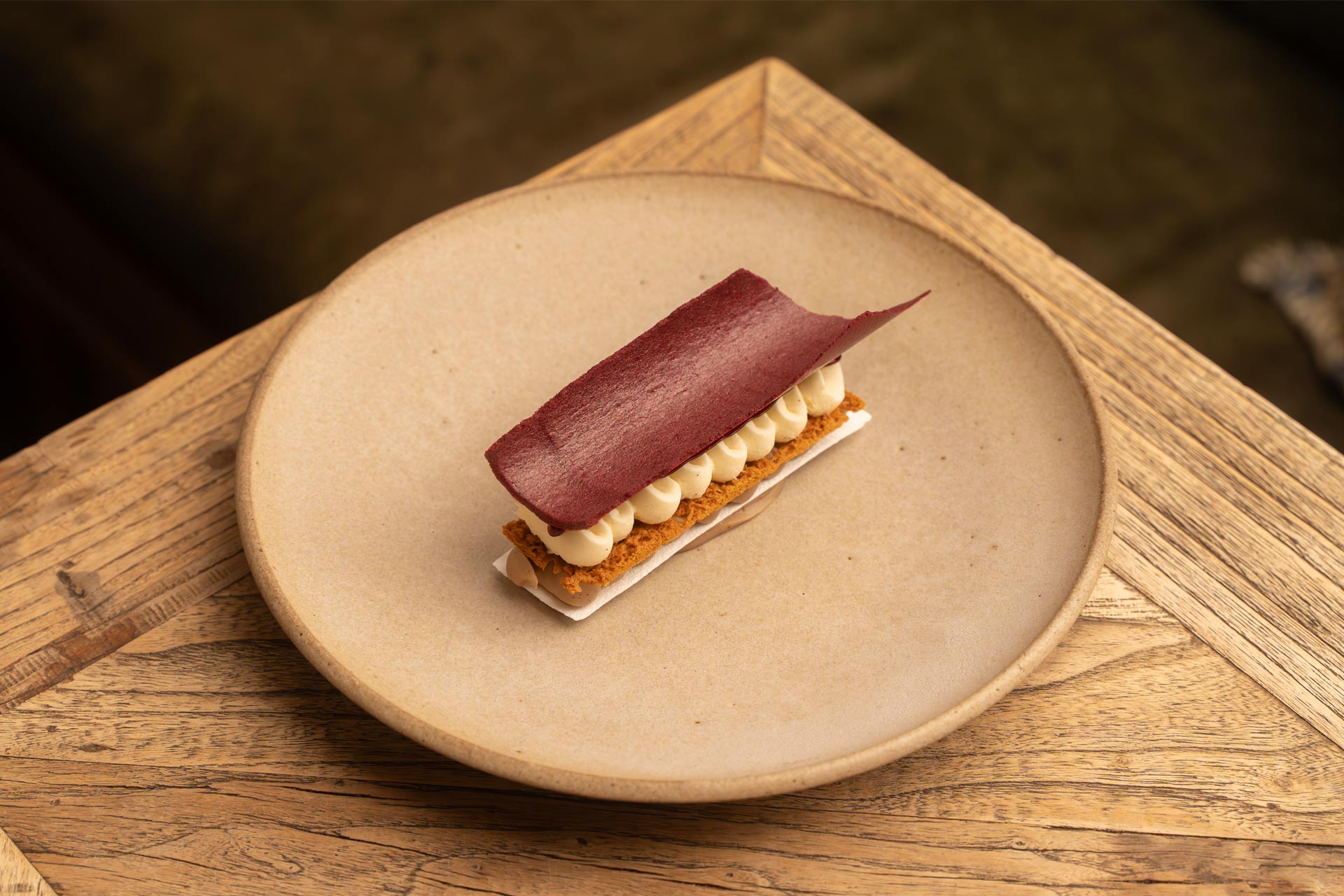
If I had to choose just one, it would be the lamb dish on our tasting menu. The meat itself comes from one of our neighbours, Richard, at Softley Farm. I love working with people like him, who care about the animals the same way we care about the dishes we produce. A lot of the hard work in making great food is done before it enters the kitchen. We receive the animal whole and break it down into various cuts, used across the menus. This dish uses confit shoulder and roasted loin, some broccoli, morel mushrooms that we dry while they are in season, and some salsa verde. We replace the lemons in the salsa verde with fermented gooseberry juice, because lemons are not available to us locally.
What is the most important lesson you’ve learned during your career?
That you need great people around you to make great food. No pub or restaurant would be what it is, without the team that makes it happen. The food and the service are very important, but the locals who sit at the bar and create a welcoming atmosphere, the housekeepers who get in early to make sure everything is clean and welcoming, and the producers and suppliers all make it possible to deliver the experience.
Which chefs have inspired you?
I admire chefs who have changed things in terms of sustainability. Chefs like René Redzepi who have brought back ancient techniques and reminded us that there are alternatives to importing ingredients. Also Douglas McMaster, whose book Silo: The Zero Waste Blueprint has changed the way a lot of people think about kitchen waste. I think if everyone took something from their ethos, it would be a huge step towards food sustainability.
What are the biggest challenges faced by the hospitality sector at the moment, and how are you tackling them?
Everyone is talking about it, but the rising costs of running a hospitality business are making it all but impossible for people to make a living in this industry. Things like the rising staff costs, high VAT levels and increasing rates are a problem hitting a sector with historically very tight margins. We are trying to tackle them by buying our products whole, and using every part of them in different ways. I know it seems obvious but binning any part of a product costs money, so we have to be very careful to find uses for everything.
What’s your next project?
I would really like to set up a small kitchen garden and fermentation room. Growing our own fruit and vegetables here would cut down a huge amount of food miles. Realistically we couldn’t grow everything for a restaurant, but if we can even do 50% that would make a huge difference!
What is your approach to sustainability?
Sustainability is our approach to cooking. We put a huge emphasis on provenance, which for me is just the surface. Sustainability for me means so much more. It includes small details like what chemicals are being used to clean. We use BioVate, as it’s an enzyme-based chemical company, which means it is far less polluting. We have done countless hours of research and experimenting to find the most sustainable solutions we can, even to the most mundane parts of our kitchen operations. I believe we still have a long way to go, but we have already achieved so much.
What is your favourite dish and who cooks it?
I love lasagne, and if anyone wants to make it for me then I’m happy!