Interview: Eliano Crespi on conscious luxury at Six Senses London
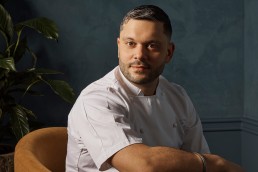
Eliano Crespi leads the culinary team at Six Senses London, bringing a passion for sustainability to the brand’s first urban retreat.
Hailing from Milan, Crespi’s journey began in his family’s garden before he went on to study at hotel management school in Stresa. His career has since taken him from Palazzo Parisio in Malta and Four Seasons Park Lane to Hotel Café Royal, where he worked alongside Alex Dilling and Albert Adrià.
Now, at Six Senses London, Crespi oversees one of the UK’s first dedicated hotel fermentation labs, where ingredients are transformed into house-made vinegars, preserves and kombuchas that support both flavour and waste reduction.
In our interview, he discusses his approach to local sourcing and how Six Senses’ focus on wellness and circularity is shaping the culinary offering at signature restaurant Whiteley’s Kitchen.
When did you first fall in love with cooking?
My love for cooking began at a very young age. I grew up watching my grandparents grow their own vegetables and prepare meals using whatever was in season. Seeing the journey from garden to table taught me to respect ingredients and understand the connection between nature and food. Those early memories continue to inspire the way I cook today.
How would you describe your culinary style?
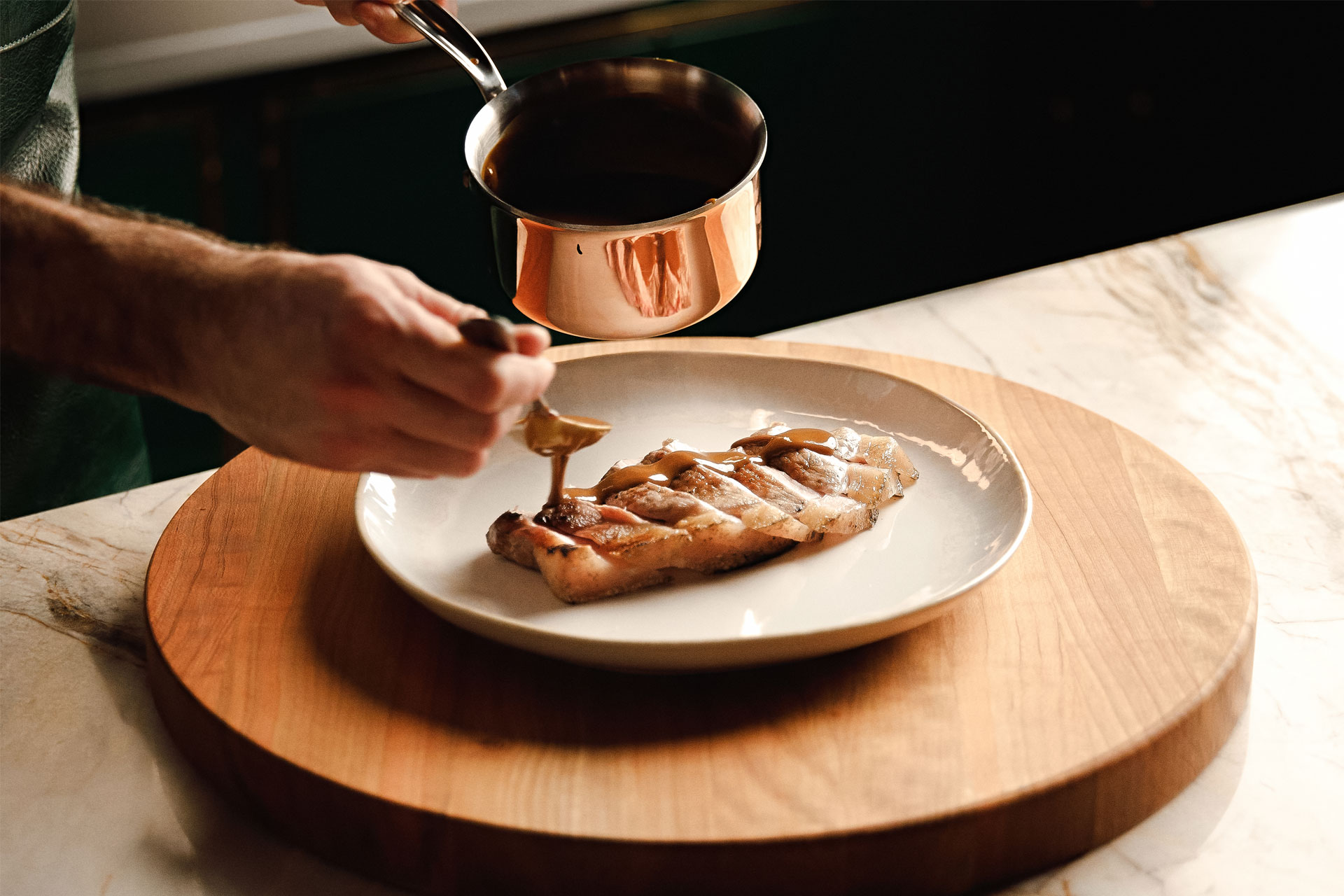
My culinary style is ingredient-led and rooted in seasonality. I believe nature should be the star of the show, with the chef’s role being to elevate what each season has to offer rather than overpower it. I combine classical techniques with modern methods, including fermentation, always aiming to create dishes that are full of flavour.
What is your culinary vision for the menu at Whiteley’s Kitchen?
My vision is to create a menu that celebrates the very best seasonal produce while demonstrating creativity and a considered approach to sustainability. I want every dish to tell the story of its ingredients through bold flavours, thoughtful techniques and minimal waste. Working closely with our suppliers enables us to source exceptional produce while making responsible choices that benefit our guests and the environment.
Do you have a favourite dish on the menu?
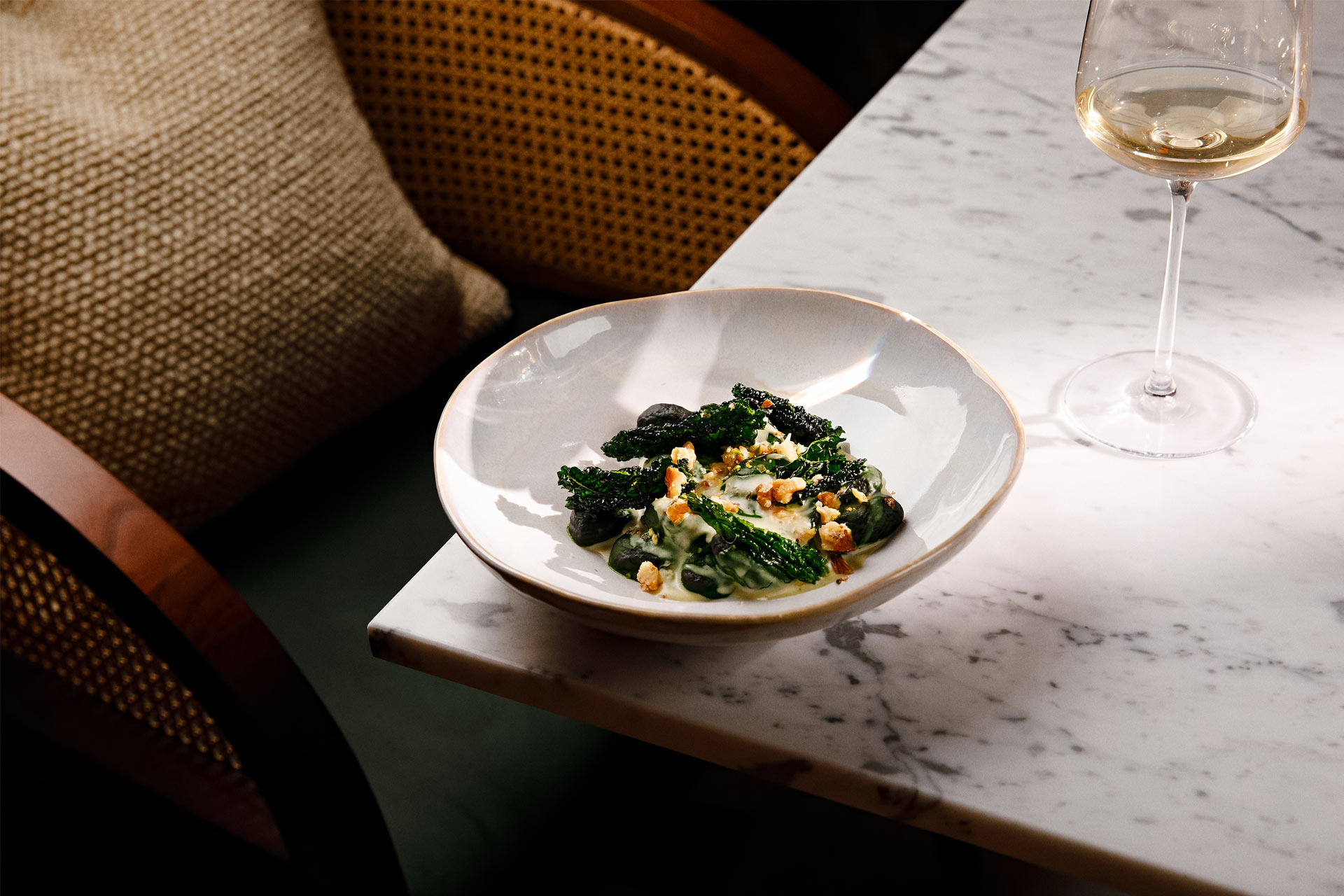
Our menu changes so frequently that it is difficult to choose just one. At the moment, I particularly enjoy our crab-filled chicken wings with house-fermented sriracha emulsion, as well as the roasted leek with fermented romesco.
What is the most important lesson you have learned during your career?
The most important lesson I have learned is that great cooking begins with great ingredients and respect for the people who produce them. Technique is important, but listening, learning and remaining humble are equally essential.
Building a strong, close-knit team is just as important. A successful kitchen is founded on trust, communication and a shared passion for excellence. It is my responsibility to create an environment in which every member of the team feels encouraged to contribute ideas and is given the opportunity to learn, grow and reach their full potential. When people feel empowered to develop, the entire team becomes stronger.
What are the biggest challenges facing the hospitality sector at the moment, and how are you tackling them?
The industry is navigating several challenges, from rising food costs and staffing shortages to the growing need for more sustainable practices. We address these by working closely with trusted suppliers, using ingredients responsibly and making the most of every product that enters the kitchen. Creativity plays an important role in reducing waste while maintaining the quality and value our guests expect.
Which chefs have inspired you?
I have been inspired by many talented chefs throughout my career, but my greatest inspiration has always come from my grandparents. They taught me the importance of respecting nature, cooking with the seasons and making the most of every ingredient.
What is your approach to sustainability in your cooking?
Sustainability is at the heart of everything we do. We believe every ingredient deserves to be used to its fullest potential. We work closely with our suppliers to reduce single-use plastics, have eliminated cling film from our kitchen and continually look for creative ways to give ingredients a second life.
We make miso from surplus sourdough and croissants, biscuits using spent coffee grounds and fruit leather from leftover fruit. We also use fermentation and preservation techniques to extend the life of seasonal produce. For us, sustainability is not a trend; it is simply the right way to cook.
What would you like your next project to be?
I would love to continue pushing the boundaries of sustainable cooking while mentoring the next generation of chefs. I am passionate about developing menus that celebrate hyper-seasonal produce while creating even less waste, alongside building a kitchen culture in which creativity and sustainability naturally go hand in hand.
What is your favourite dish, and who cooks it?
Without question, it is my grandmother’s Pastiera Napoletana: an Easter tart made with wheat, ricotta and orange blossom. It is the dish that means the most to me because it represents family, tradition and some of my happiest childhood memories. Sadly, I can no longer taste her version, but whenever I think of it, I am reminded of why I became a chef in the first place.