Interview: Alex Aitken on charting his own course at Harbour Hotels
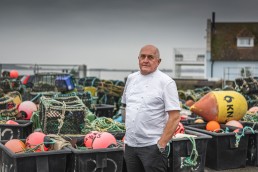
Alex Aitken, Chef Patron at Harbour Hotels, has taken a refreshingly unconventional route into the industry.
With no formal culinary training, he began his working life as a fisherman on a trawler, before moving into kitchens and learning entirely on the job.
Fifteen years ago, he joined The Jetty in Christchurch as a Michelin-starred chef, taking over from the late Gary Rhodes. Since then, Aitken has retained the same core team throughout, underscoring the family-run nature of the business.
Away from the restaurant, Aitken and his wife also rear their own livestock, reinforcing his belief in hands-on sourcing and low-impact food system
For 2026, Aitken is championing what he calls “the year of the odd fish” – encouraging restaurants to move beyond usual favourites like cod and haddock, and instead celebrate lesser-used species such as gurnard, pollock and pouting. His philosophy is simple: start with what’s available, cook in season and avoid designing menus that require endless specialist ingredients.
In our interview, he discusses his first experience eating at a Michelin-starred restaurant, his favourite dish cooked by someone else, and what a future restaurant concept from him might look like.
When did you first fall in love with cooking?
I first fell in love with food – and therefore cooking – between the ages of 11 and 13 while living in Singapore, where my father was stationed with the Royal Air Force. We often ate at simple street stalls, and at home our Amah cooked traditional Chinese meals for us.
How would you describe your culinary style?
Modern British at its core, with subtle influences from Asia and Europe – respectful of tradition, but open to evolution.
What is your culinary vision for the menu at The Jetty?
At The Jetty, the vision is food rooted in the coast and countryside, cooked with restraint and clarity. It’s about celebrating British ingredients, the seasons and the simple pleasure of things done properly. The aim is to cook food people genuinely want to eat; not to chase trends, but to deliver flavour and consistency.
Do you have a favourite dish on the menu?
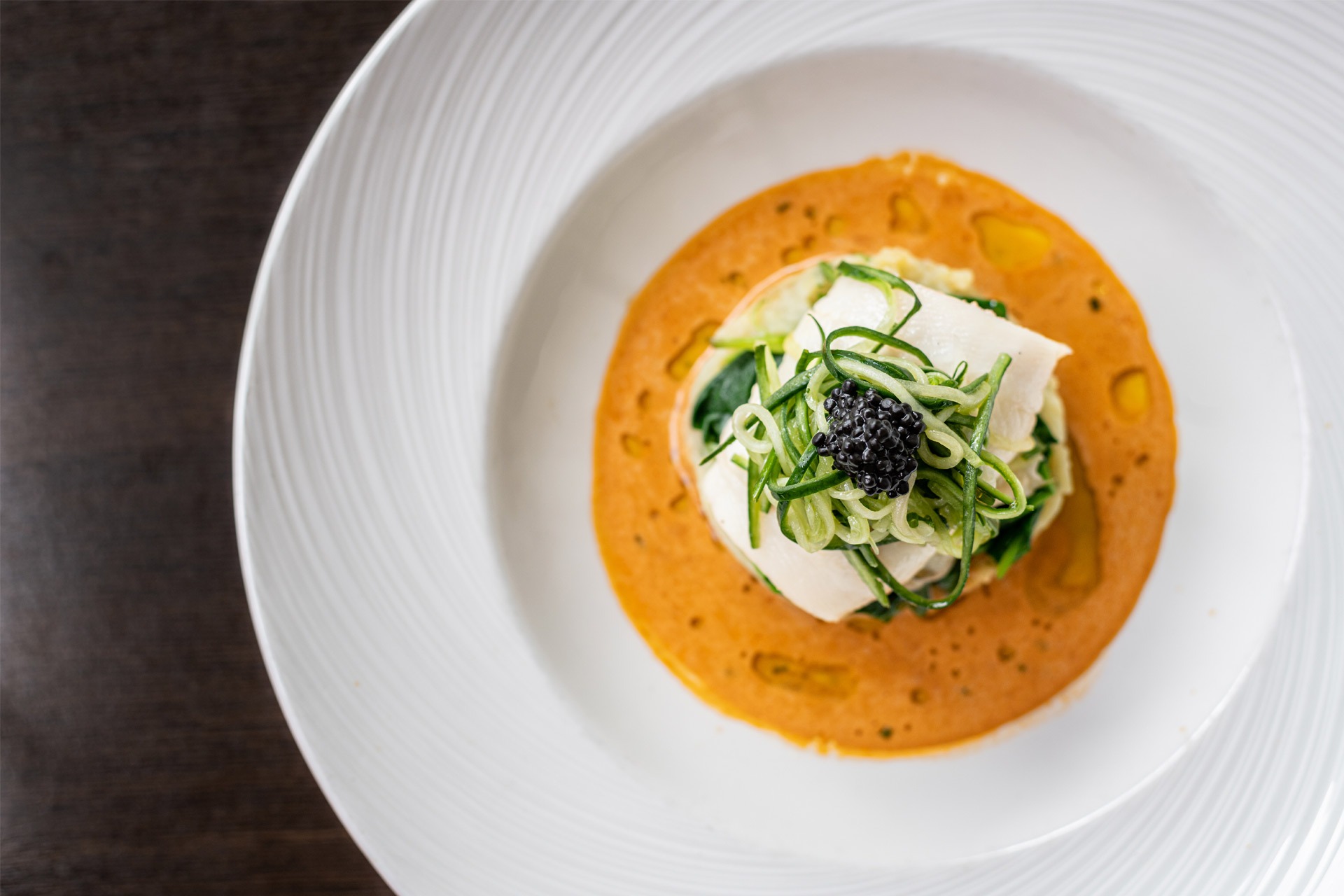
My favourites change with the seasons. Right now, it’s Turbot. It’s an amazing fish caught regularly in our British waters. I pan roast it and serve it with wild mushrooms and lemon-thyme, finished with a light chicken stock and butter sauce. The stock adds flavour and depth to the dish without overpowering the fish.
What is the most important lesson you’ve learned during your career?
You learn something every day, however the most important lesson has been the value of communication. Talking openly and regularly with your team, explaining not just how but why, empowers the team. When a kitchen understands its purpose, the work becomes enjoyable and the standards rise naturally.
What are the biggest challenges faced by the hospitality sector at the moment, and how are you tackling them?
Rising costs – from ingredients to employment – remain the greatest challenge. Our focus is simple: offer genuine value and great hospitality. If you deliver both consistently, the trade is still there.
Which chefs have inspired you?
I started in 1983, and my first three-Michelin star experience was at Le Gavroche, then the only three-star restaurant in UK. The Roux Brothers – especially Albert – were hugely influential. Raymond Blanc and Nico Ladenis were equally informative. Across the channel, Michel Bras in the Aubrac region inspired me deeply. Back home, Marco Pierre White and Gordon Ramsay – now friends – represent a generation that reshaped British cooking.
What is your approach to sustainability in your cooking?
I say ‘we’, because my wife has always been my partner in this journey. We were early advocates of foraging, championing local producers and growing much of our own food. We kept sheep, raised cattle and farmed pigs that fed on acorns – a true gate-to-plate philosophy. Sustainability for us have never been a trend; it has always been our way of life.
Which new sustainability initiatives are working well for you at the moment?
We work closely with local suppliers and especially the fishermen. How fish are caught matters – we favour line-caught fish or static nets rather than destructive trawling. We also champion underused species, not just the fashionable favourites. With farmers, we prioritise organic producers where possible and those following Red Tractor or LEAF standards.
What would you like your next project to be?
I often talk about one more restaurant, it would be local, simple delicious food. A menu centred on wild food: fish and shellfish, game, foraged ingredients and a commitment to using every part of the animal. In many ways, it sounds like the natural evolution of The Jetty.
What is your favourite dish, and who cooks it?
That’s a hard question. Pierre Koffman’s stuffed pig’s trotter, Marco’s Sweetbreads with langoustines, Raymond Blanc’s squab pigeon in salt crust – dishes that sadly are no longer available. If I were choosing tomorrow, I’d have Matt Tomkinson’s polenta chips with fresh Isle of Wight crab and lightly curried mayonnaise. He’s now my executive chef at The Jetty at Ocean Village Southampton – and that dish explains why.