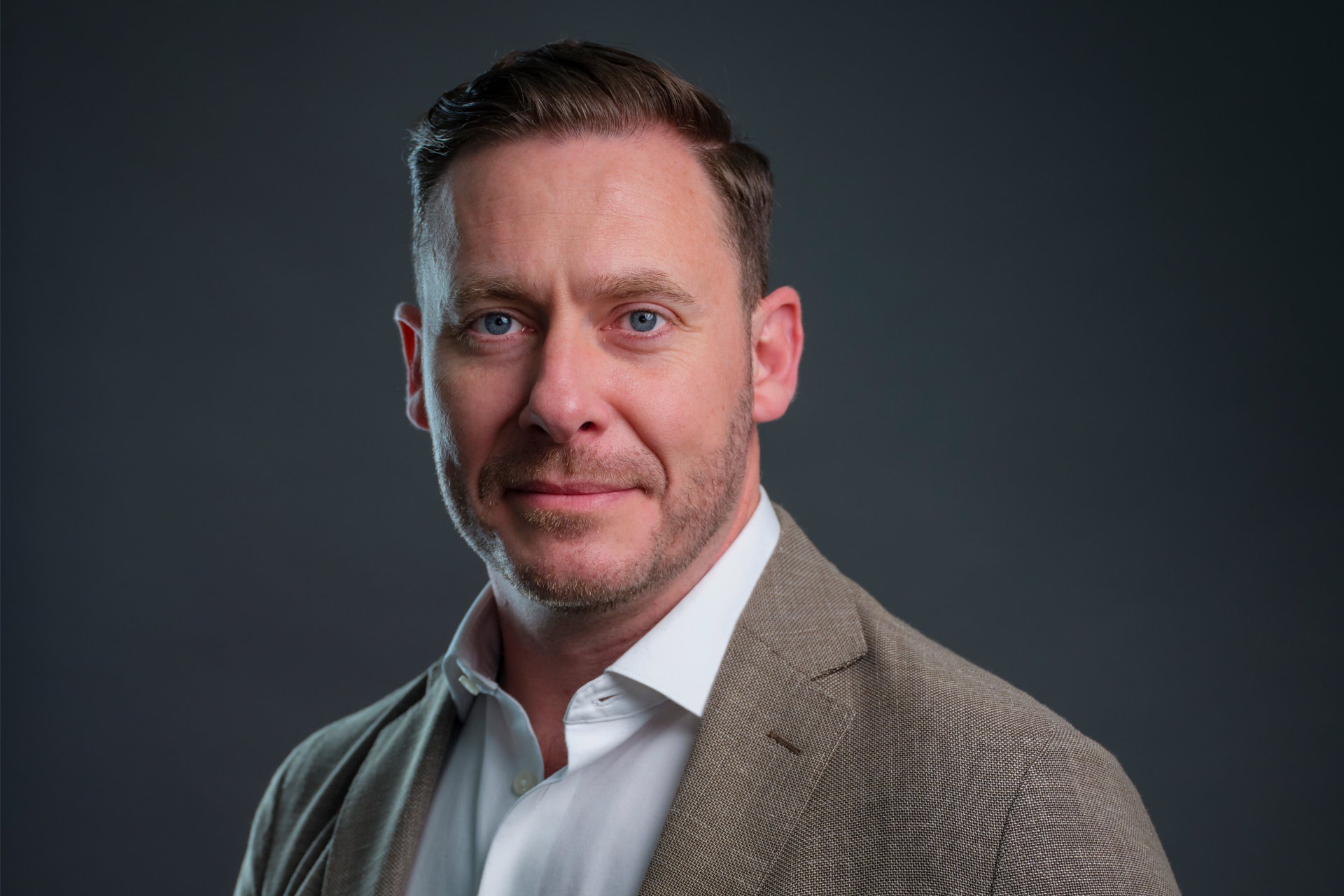
Adam Dobson is the founder of NOHACA, a single-origin tequila made from 100% Blue Weber agave in the Highlands of Jalisco.
With more than twenty years’ experience in the premium spirits industry, Dobson has held roles spanning brand development and commercial direction. At Diageo, he worked on global travel retail innovation before leading the international growth of Silent Pool Gin and later shaping the strategy at Atom Group. These experiences informed his belief that building an enduring spirits brand requires careful positioning, patience and a distinct point of view.
Today, his work with NOHACA takes him between Mexico, the UK and the hotels, bars and travel retail environments that form the brand’s international footprint. In our interview, Dobson discusses the opportunity he identified in the luxury tequila market and his approach to building an internationally recognised spirits brand.
What first inspired you to establish the brand?
NOHACA began with a name before it had a liquid. Nómadas Haciendo Caminos: nomads making paths. When travelling around Mexico a few years ago, I was surprised to see so many mainstream tequila brands being used in luxury hotel bars and felt that there was an opportunity to premiumise in that segment.
I wanted to build a tequila that a serious hotel bar would treat the way it treats its best single malt or cognac: as the base of a properly made drink, with clear, authentic production credentials and a reason to be on the list. A brand with provenance, single-origin agave and made with patience.
Further afield, I noticed a large gap in the tequila offering across global travel retail, with most airport stores around the world stocking household brands that most travellers could find in their domestic supermarkets. This cemented the idea of our target core consumer, the global traveller, or as we like to refer to them, our modern cultural nomads. These shoppers’ purchase decisions are driven by discovery and exploring the new, and NOHACA naturally fits into this need.
What did your previous experience in the spirits industry teach you?
Twenty years across innovation, travel retail and growing independent spirits brands taught me three things.
First, placement builds a brand before volume does. Where a bottle is first poured is a statement of intent and should be the signpost of where you see yourself as a brand, from a trade perspective as much as a consumer point of view. A single right venue does more than ten convenient ones.
Second, a luxury spirit needs a serve as much as a story. Bartenders and guests remember what they drank, not what they were told. For NOHACA that serve is the Tequilatini, and it is where we hope many people first meet the brand.
Third, patience is a commercial discipline. Brands that last are usually built more slowly than the market would like, and the shortcuts taken early are the ones you pay for later.
Much of it comes down to knowing what to leave out and building restraint into the strategy.
How did you approach finding the right production partner in Mexico?
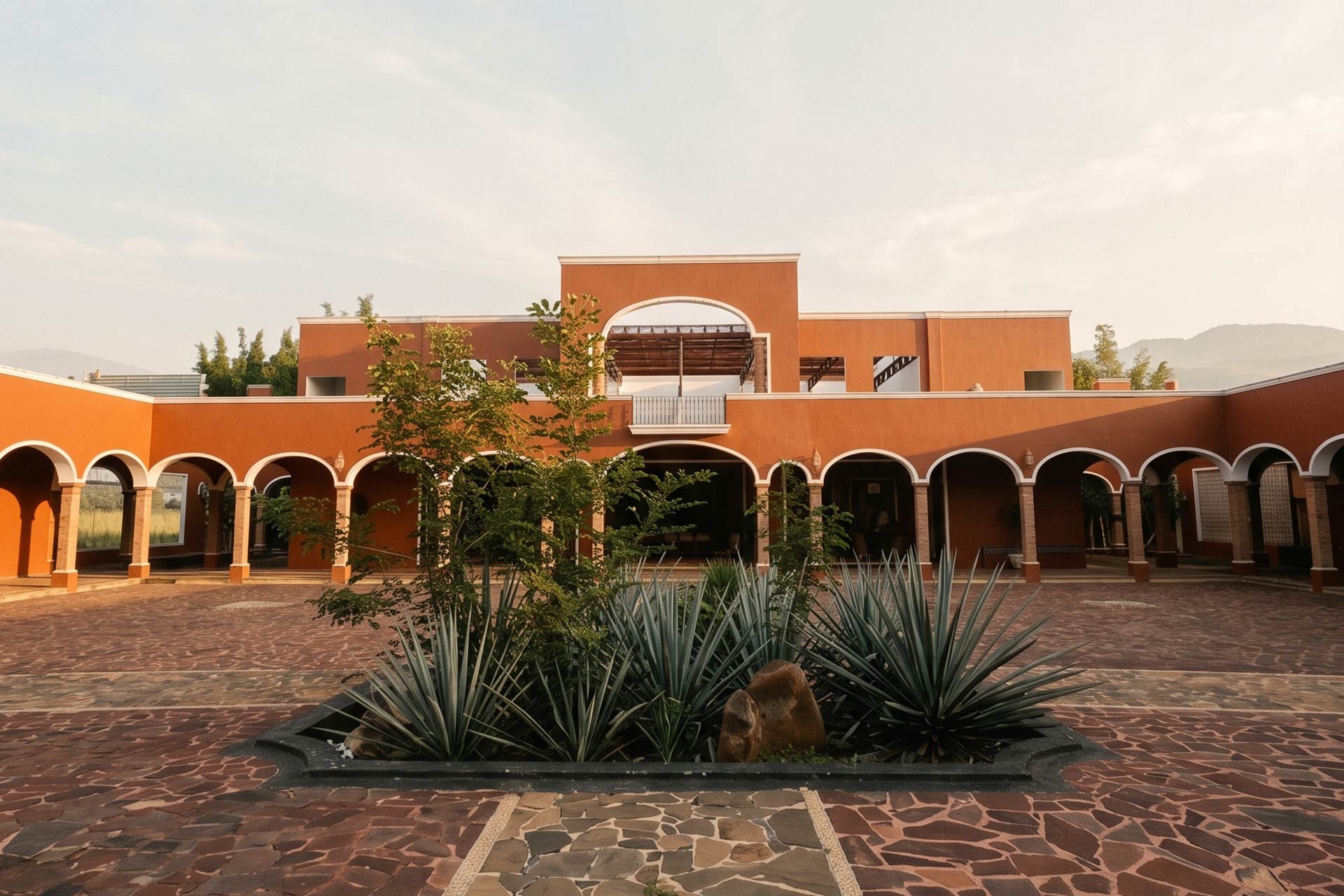
I was very lucky to have met my distillers in a previous role, and when the project started, I immediately flew to see them in Arandas, Los Altos de Jalisco, to see if they were able to bring my liquid vision to life. For such a complex liquid, it was a very simple process. I walked into their office and there were three samples ready to taste, all very much in the profile I was looking for.
What mattered most was restraint. The Bañuelos distillery in Arandas takes on very few brands and turns most away. That told me that they were the right partners from the start: they protect what they make, and they choose who carries it. This creates a defensible and unique liquid, something that is incredibly important at the higher end of the category.
The agave is grown close by, in and around Arandas, and harvested at peak maturity, judged by ripeness rather than by age. The water comes from a deep well on the property. Everything that makes NOHACA comes from the one place.
The relationship has been built the same way the tequila is. Slowly, around the table, and on agreement about the liquid above anything else. There is a level of trust and support that goes both ways.
Could you explain the processes behind the liquid?
It starts with single-origin 100% Blue Weber agave, grown locally around the town of Arandas and harvested when the plant is ripe.
The piñas are cooked for 60 hours in a clay brick oven, then crushed with a roller mill. Fermentation runs for eight days in open-top stainless-steel vats; we use a proprietary [yeast], which helps to develop a delicate flavour and a drier profile. The tequila is distilled twice in stainless-steel alembic stills and bottled at the distillery at a distinctive 42% abv.
Plata is bottled unaged. Reposado rests for three months in American oak, which brings vanilla, dried fruit and dry oak while the agave stays immediately present.
The 42% matters. It gives the liquid an elevated character, with strong agave notes, and the spirit enough structure to carry a stirred drink, which is why our Tequilatini takes a dry build.
None of these steps is unusual on its own. We simply give each of them the time it needs.
How did you develop the visual identity?
The identity was developed in parallel to the liquid, with the premium positioning opportunity in the market as a key consideration. We stuck to the same principles as with the liquid: each aspect had to earn its place.
The bottle and brand world were designed by Carles Anadón Bernat in Barcelona. Its textured glass body is made from post-consumer recycled glass in Jalisco, with recycled cotton fibre labels and corn starch seals, and its design was recognised with a Pentawards Gold in 2025.
Each expression carries a carved guardian: The Face, our guardian of discovery, adorning the Plata; The Rabbit and Eagle, representing reverence, on the front of the Reposado; and The Hands, the guardian of mastery, for Añejo. They give the range a quiet internal logic, and they are a nod to the first nomads of Jalisco and the history of the land.
In a hotel bar or a duty free store, the bottle is seen long before it is tasted. We wanted one people would keep on the shelf at home after the tequila is finished. Small details, such as the medals that adorn each bottle, give shoppers tactile and visible indicators to navigate the expressions within the range.
How would you describe your approach to sustainability?
I am wary of the word on its own. I would rather talk about specific choices we can stand behind.
The bottle is made at a post-consumer recycled glass factory in Guadalajara, Jalisco. This was a very conscious decision given their approach to glass production, as well as the locale. The labels are printed on recycled cotton fibre. The capsule seal is made from corn starch. Everything has been considered in terms of its original source, as well as its ongoing environmental impact.
The distillery continues to expand its approach to sustainability too, with the recent installation of solar panels which will eventually power the entire property and production.
There is more to do, but each of these is a decision we can explain and evidence.
Where do you see the greatest opportunities for the category?
Hotel bars have something most bars don’t: time. Guests stay longer, many of them are travelling, and they are open to trying something they wouldn’t order at home. That makes the hotel bar one of the best places for someone to understand agave properly, through a conversation with a bartender rather than a line on a menu.
Agave is still often presented in hotel bars through a short list and a couple of familiar mixed drinks. The opportunity is to give it the depth the same bar already gives whisky or cognac: a selection chosen by origin and process, poured neat, and a team able to explain why a tequila from the Highlands tastes different from one made in the valley.
The martini is the easiest way in. Most guests already know how they like one, so a stirred agave drink asks them to change one thing rather than everything. That is why we built the NOHACA Tequilatini around a format hotel bars already do well and to give bartenders a strong starting point for a conversation about agave.
What a guest discovers in a hotel bar tends to travel with them. It becomes the bottle they look for in duty free and the drink they order somewhere else. For a hotel, a new product is a cost and a new reason to serve higher value spirits is an asset.
What can we expect from you next?
Añejo completes the range, and we’ll be launching the single barrel 2026 bottling with selected partners in the new year. It is the expression of mastery in the range: the most time, the most patience, and the same agave at the centre.
Beyond that, the work is deepening rather than widening. More bartenders making the Tequilatini properly. More time with chefs on gastronomy positioning for tequila, and focusing on how NOHACA can be a platform for educating consumers on the agave category as a whole. Internationally, Mexico remains the centre of gravity: the place the brand was proven first, with new launches into California, Canada and Dubai in the first half of 2027.
We have no plans for a long list of new expressions. Our belief is that three is enough, if each is properly understood and poured in the right places. Our approach is about restraint and quality, and earning the space on shelf.