
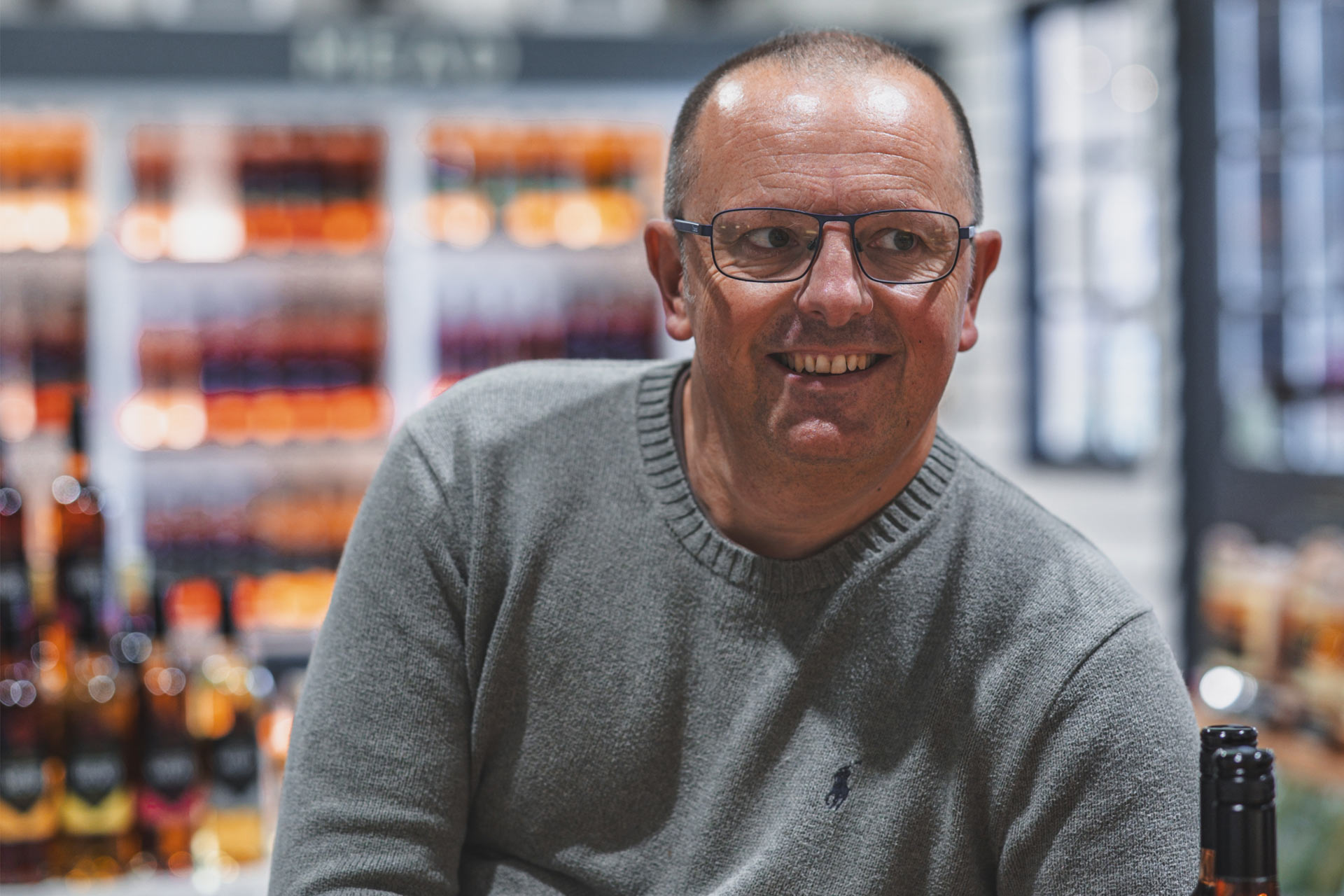
Interview: Managing Director at Lyme Bay Winery, Wolfgang Sieg-Hogg
Managing Director at Lyme Bay Winery, Wolfgang Sieg-Hogg discusses the company’s journey from cider maker to one of the UK’s leading producers of country fruit wines, mead and English still wine.
How has Lyme Bay Winery evolved since it was founded?
Lyme Bay Winery started out as a cider company just over 30 years ago. Over the years, it has not only grown in size but also adapted and evolved as drinking habits have changed, including entering new markets such as country fruit wines, meads and English wine. We always focus on quality, and this drives recognition and repeat purchases, providing both the retailer and the consumer with the knowledge that, when it comes to choosing a great-tasting, quality product, Lyme Bay Winery is a safe choice.
What have been the biggest milestones in your time as Managing Director?
It would be easy to say that the biggest milestones were following a BRCGS A+ grade with a BRCGS AA grade the following year, or being able to share that Lyme Bay not only followed our Trophy-winning Pinot Noir 2020 with a trophy-winning Pinot Noir and Chardonnay, but that we are the only English winery to win both a red and white trophy in the same year, while maintaining our place as the most awarded English still wine producer from the top four international wine awards. But I have to say, the biggest milestone has been in the winery itself.
In 2025, we chose to freshen up the winery team and bring in Clemency Yates, a Master of Wine with a wealth of knowledge built up over many years across multiple continents, to support and mentor our young winery team. The results have been outstanding. I knew they would be good, but even I didn’t expect the jump in standards to happen so quickly. Clem and the team have achieved so much, so quickly, that it is a truly proud moment.
They have not only elevated our still wine collection so it better reflects today’s wine market and drinking trends, but there is also a real passion for the 2026 and 2027 harvests and the new wines they want to create, showcasing the very best of what England can now offer when we talk about English still wine.
What sets Lyme Bay apart in an increasingly competitive English wine market?
Unlike many other great English wineries, we made some bold decisions just over 10 years ago. We chose not to stick with our own vineyard and focus on producing great-tasting English sparkling wine, like many other wineries. Instead, we had a very simple vision: we wanted to produce the very best English still wines.
We have achieved this by sourcing grapes from many locations across many counties. We have partnered with some amazing vineyards on long-term contracts, with some lasting as long as 15 years, allowing us to have full control over quality, quantity and clones. This ensures we start with the very best grapes, grown in the very best locations, when it comes to producing wine. This approach also allows us to gently adapt as people’s wine-drinking habits change.
You’ve had an impressive run of recent awards. What does that recognition mean for the business?
I believe once you step outside the English wine bubble, made up of vineyards, wineries, producers and the wider wine industry, knowledge of English wine drops off at quite a steep rate. English wine is a fantastic product, and it can hold its own against many of the established wine regions in the world. The awards are a fantastic tool to show the world that our English wines can compete with any wine in the world when it comes to taste, quality and experience.
The awards are also a great way for everyone to recognise and celebrate all the hard work and dedication that the winery team puts in every single day to produce these wines. The team really do love these wines and talk about them like they’re their little children.
How would you describe the English wine market today?
Like the rest of the world, the English wine market is having to adapt to the next generation, which is not showing the same love for wine as previous generations did. We are seeing people change their criteria when purchasing products, not just wine. I feel these behaviours can work in our favour and allow us to not only adapt our approach to our wine collection, but also how we sell and market our wines.
Bringing Clem on board was the first of many steps we have taken, and will take, to showcase how we are not only carefully crafting a range of English still wines that showcases the very best of what England has to offer, but also taking that approach with our team here. We are bringing in really great people in their fields and encouraging them to share their knowledge with the next generation of not only winemakers, but also marketing, sales and operations professionals.
We want to be able to go out and not only say that we produce fantastic wines, but that we develop and support the next generation, alongside a whole sustainability programme that provides the consumer with a whole range of reasons to purchase our English wine.
What’s next for Lyme Bay Winery?
To start with, we want to maintain our high standards and continue to be recognised as the most awarded English still wine producer, producing wines at a BRCGS AA-grade site. Our goal is to become the recognised home of English still wine and English Pinot Noir. We are just about to launch three new Pinot Noirs, all very different, all tasting amazing and showcasing the different styles created by growing grapes in different locations and using different winemaking techniques.
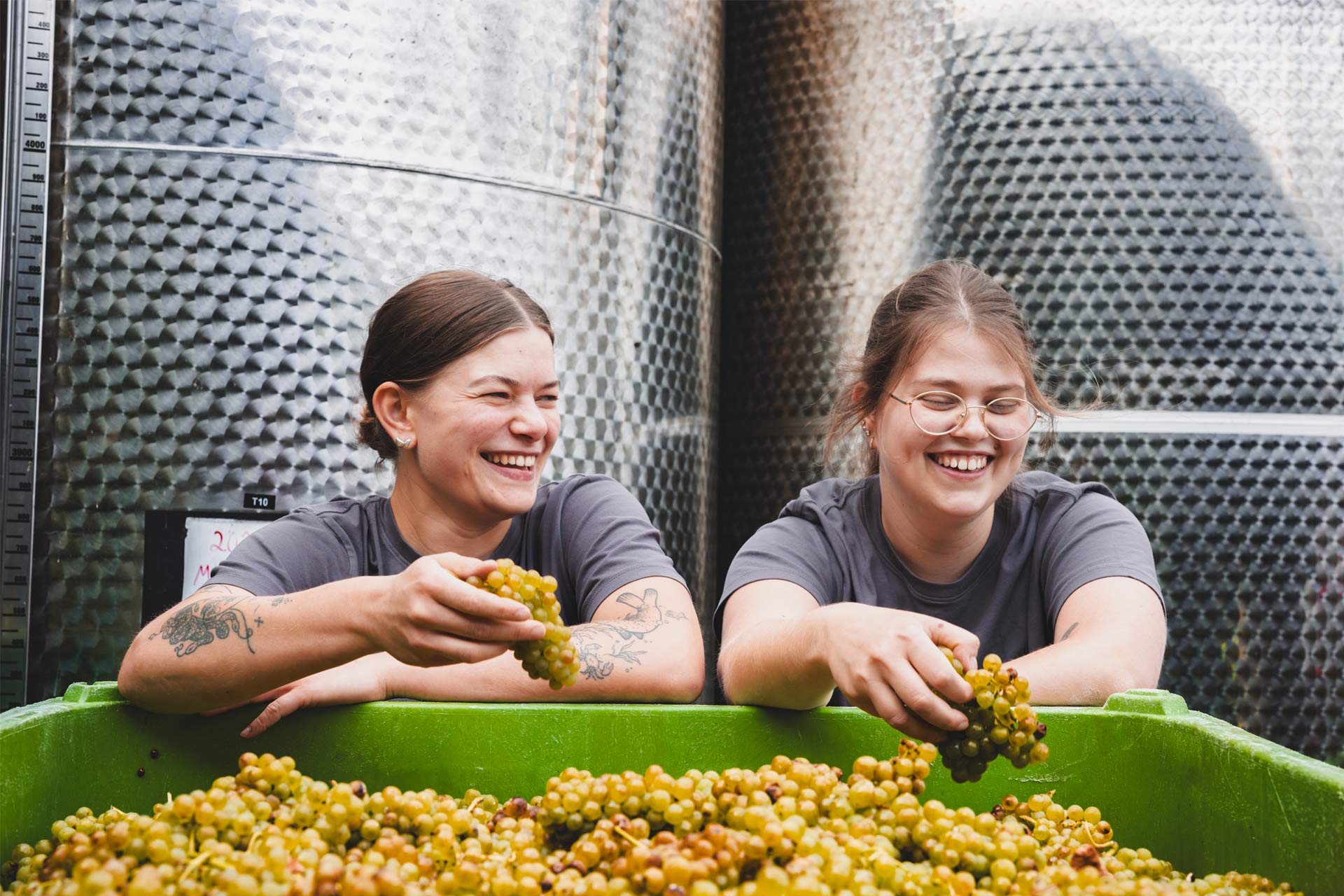
We are also just about to launch an orange wine, which was produced by our interns last year using a parcel of fruit we allowed them to play with. This wine is so good that we have decided to create a larger parcel from the 2026 harvest.
Is there anything else in the pipeline you can share with us?
Lyme Bay is working in the background to introduce a whole new generation to English wine with a range of canned English wines. We see this not only as appealing to the younger generation, who have already shown a real appetite for the ready-to-drink market, but also as a way for people to try and enjoy English wine at a much lower price point.
We do appreciate that the price points of many English wines can act as a barrier to trial, as general knowledge of just how good English wine is still very low. We also see the cans as a great way to supply English wine into totally new markets, such as travel, theatres and leisure.