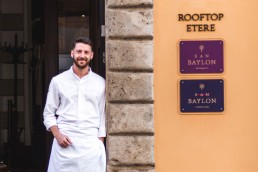
Interview: Christian Spalvieri on preserving Italian heritage at San Baylon
Christian Spalvieri, Executive Chef of San Baylon at Palazzo Ripetta in Rome, represents a new generation of Italian chefs who balance classical technique with a contemporary, international outlook.
Originally from The Eternal City, he trained extensively in London, developing a strong technical foundation and a refined, produce-led approach before returning to his roots to lead San Baylon.
In our interview, we discuss his path into the kitchen and distinctive approach to ingredients.
When did you first fall in love with cooking?
Growing up in the countryside and having to fend for myself meant I developed a natural relationship with the stove quite early. Over time, cooking became more than simply preparing meals, it offered discipline and structure, which helped focus what was probably a fairly hot-headed teenage mind. From there, it gradually evolved into a real passion.
How would you describe your culinary style?
My cooking always begins with careful study of the raw ingredient. It’s about choosing produce thoughtfully and understanding how to work with it so that it reaches its full potential. Preservation techniques such as brining, lacto-fermentation and drying play an important role, allowing us to extend the life of an ingredient and explore its different expressions throughout the season. My cuisine is rooted in flavour, memory and tradition but interpreted through contemporary processes.
What is your culinary vision for the menu at San Baylon?
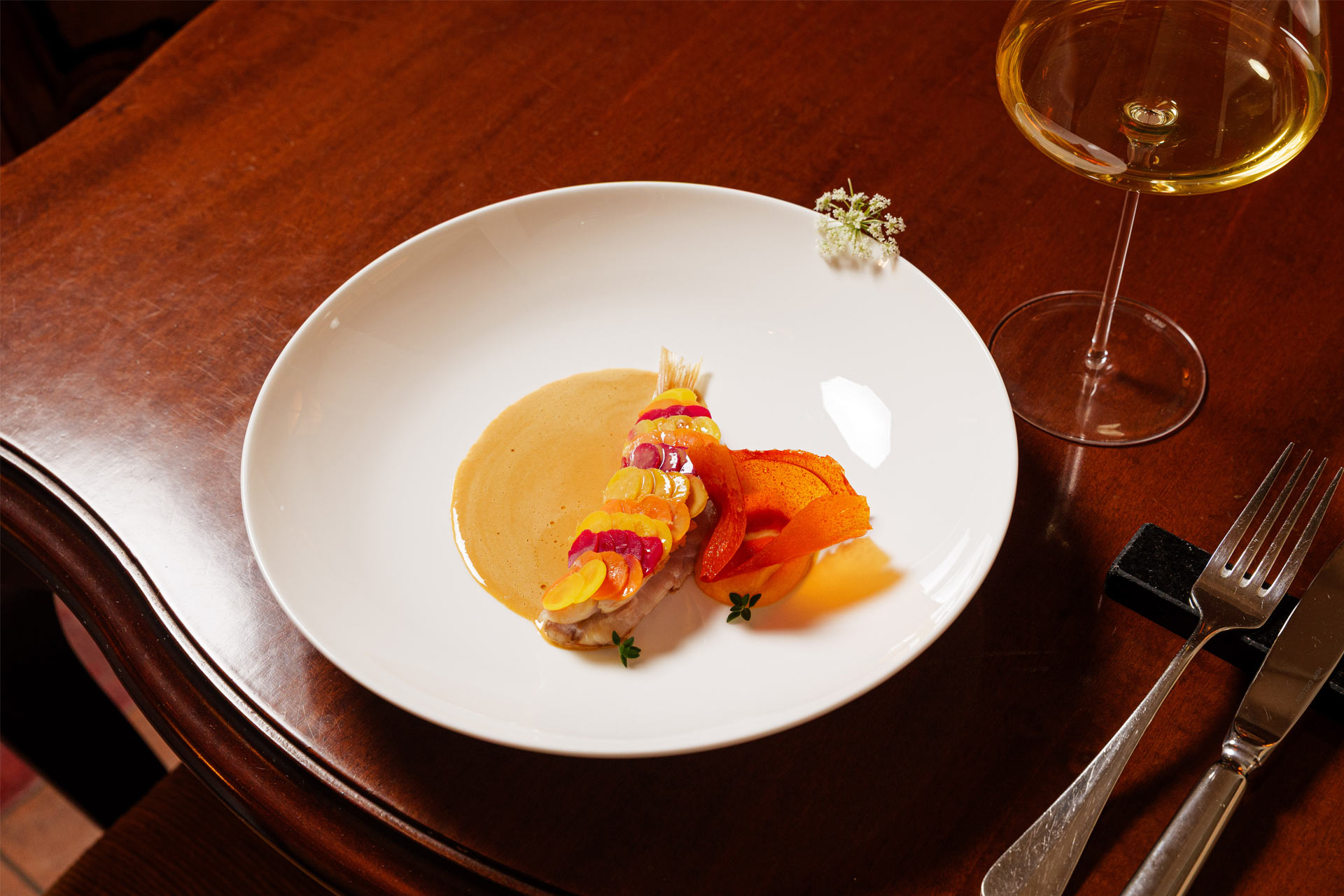
The menu is built around carefully sourced ingredients and a mindful use of resources, guided by sustainable practices. At the same time, it remains strongly connected to regional traditions and family recipes. The aim is to respect these culinary roots while preserving the techniques and flavours that define them.
Do you have a favourite dish on the menu?
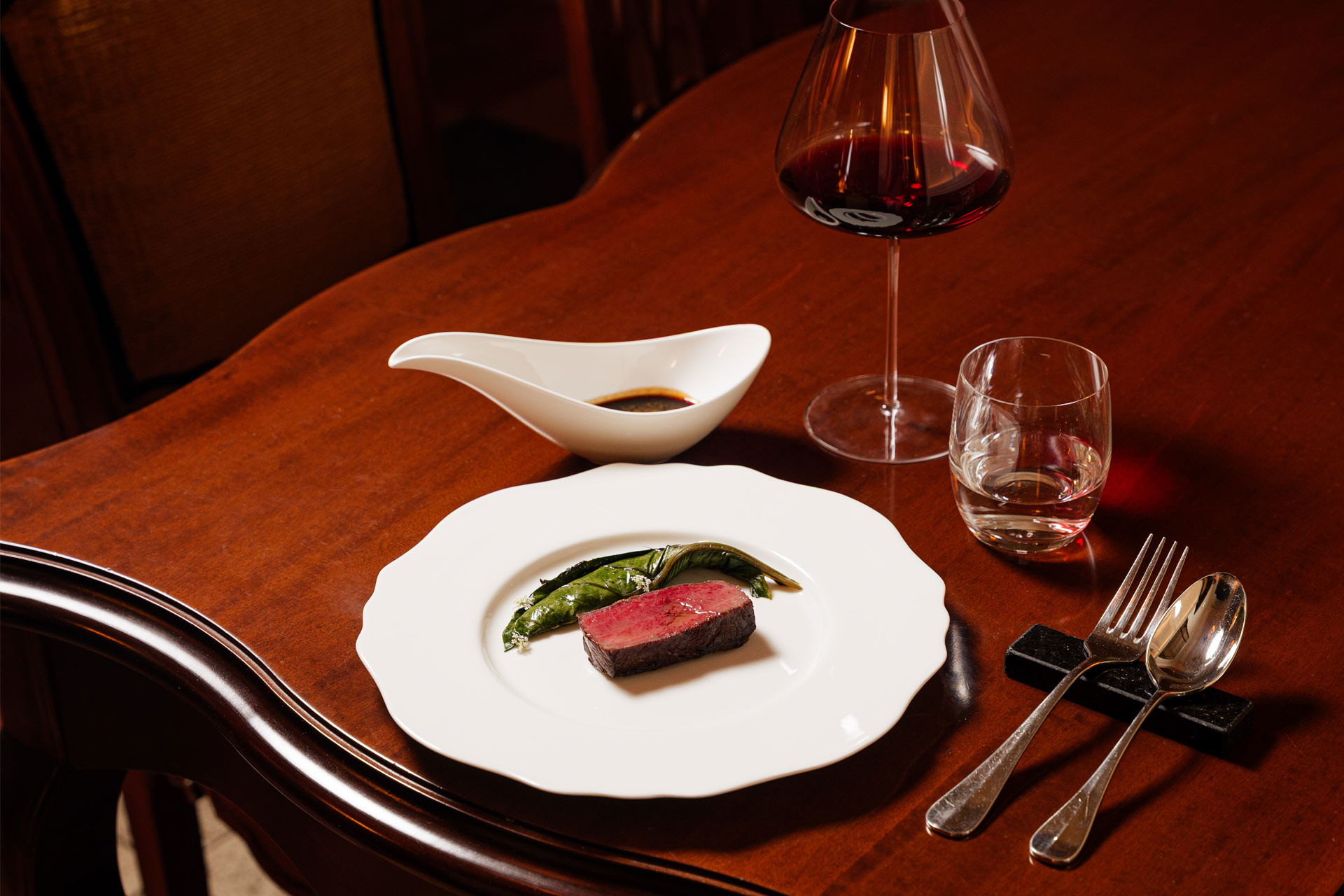
One of my favourite dishes is our rabbit in cacciatora style with caviar reserve. The inspiration comes from lièvre à la royale, but we use rabbit instead of hare. The rabbit is stuffed with guanciale, olives and pine nuts, then finished with a rich cacciatora-style sauce. To add contrast and elegance, we finish the dish with a generous touch of caviar.
What is the most important lesson you’ve learned during your career?
One of the most important lessons is that for a kitchen and restaurant to truly succeed, the guest must always remain at the centre of everything. Even when developing a dish – no matter how much it may represent our own technical exploration – the ultimate goal is the pleasure of the person eating it.
What are the biggest challenges faced by the hospitality sector at the moment, and how are you tackling them?
One of the key challenges today is bridging the gap between generations in the kitchen. Younger chefs are incredibly eager to learn and progress quickly, but they are understandably less willing to make the same personal sacrifices that were common in the past. Our approach is to maintain constant dialogue, involve them more in the creative process, and ensure there is a healthier balance between professional life and personal wellbeing.
Which chefs have inspired you?
Even though I worked in several kitchens and cities throughout my career, I would say I am a self-taught cook. Mediterranean cuisine has always been close to my heart, although a recent trip to Japan left a strong impression on me – the respect and attention given to ingredients there operates on an entirely different level.
I have to mention chef Stefano Baiocco. His elegance, deep respect for every ingredient and extraordinary sensitivity in the kitchen have always been a profound source of inspiration for me.
What is your approach to sustainability in your cooking?
Sustainability is closely connected to how we treat ingredients. A large part of our approach revolves around preservation techniques and maximising the lifespan of each ingredient. This helps minimise waste, reduce unnecessary deliveries from suppliers and maintain a more controlled and responsible kitchen cycle.
Which new sustainability initiatives are working well for you at the moment?
We rely on several pieces of advanced equipment that help improve efficiency and reduce waste. At the same time, we are constantly exchanging knowledge with chefs and mentors who are deeply committed to eco-sustainability. Being part of the Relais & Châteaux family is also invaluable, as their training programmes provide continuous guidance on responsible practices.
What would you like your next project to be?
That’s something I’m still reflecting on. Like many chefs, I have several ideas developing at once, so at the moment it’s a question of finding the project that truly feels right.