3Stories dives into an F&B rebrand project for Foxhills in Surrey
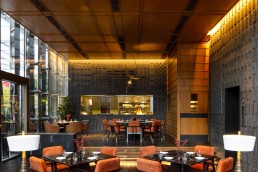
Set within the Manor House at Foxhills Club & Resort in Surrey, Lomri is a bold new restaurant concept inspired by the spice routes of India. Conceived as both a destination in its own right and an integral part of the wider Foxhills experience, the restaurant blends heritage and modernity through food, space and storytelling, resulting in an immersive and refined experience for guests.
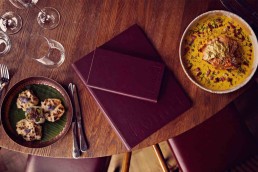
The brand strategy and visual identity were developed by 3Stories, who worked closely alongside the Foxhills team to shape a concept that extends beyond aesthetics. From naming and narrative through to visual language and guest touchpoints, the brand is designed to feel as rich and expressive as the cuisine itself, balancing deep, saturated tones with vibrant accents and classic typographic references. Working in parallel, Auden Hospitality led the development of the F&B philosophy. Their approach centred on a contemporary interpretation of Indian-inspired cuisine that celebrates provenance, spice and technique while creating a menu that feels both elevated and approachable. The result is a considered yet vibrant culinary offering, where dishes, cocktails and atmosphere come together in the creation of a cohesive and memorable experience.
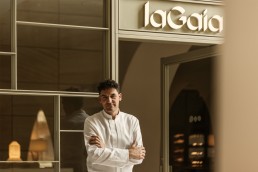
Here, we chat to 3Stories Creative Strategist, Helen Gilbert, who explains the detailed process behind the final result.
What was the brief for the project?
There was an opportunity with The Manor at Foxhills to create a distinctive dining offer that is both culturally rich and commercially resonant. A space that celebrates Indian cuisine through a refined, contemporary British lens, while sitting confidently within the wider Foxhills experience.
How did you respond?
First and foremost, we looked to understand the dynamic and expectations of the client team, members, guests and locals. We always start by delving into research, insights, a client questionnaire and workshop to ensure we truly understand the challenge, building a brand and a visual identity that supports the ambition to create a destination, while managing existing member loyalty and retention.
How did you develop the origin story into a full concept?
With Chef Achal already at the helm and Indian food an established focus, the challenge was how to frame the story so that it was enticing to new guests without alienating existing members. We needed to translate this information into a brand strategy and positioning that enabled both the British manor house to flourish while also creating a hotspot of intrigue in the dining experience.
The initial brief was for the dining room only, but on delving further into the project, it became apparent that The Manor, plus the lounge and bar, all required their own identities. We developed these side by side – interpreting The Manor as ‘the mother’ to the restaurant’s more expressive, youthful ‘daughter’. So, both are expressive of relationship and connection, traits and stories, but with a strong personality and aesthetic of their own.
Next, we came up with the name – Lomri comes from the Hindi translation of fox or fox-like. Short, dynamic and ownable, it was the perfect fit. Then we landed on the positioning statement: “From the spice ports of India to the heart of Surrey”, which has subsequently formed an integral part of the marketing communication.
Altogether, this succinctly forms the basis for a story that speaks of culture, Indian cuisine and the spice trails, and how they each relate to a manor house set in a quintessential British county. In summary, it’s a reimagined look at the dishes, brand and aesthetic that is built on authenticity and knowledge, and expressed with character and craft.
How important is storytelling in developing a new project?
Imperative! The story and the brand pillars are true north for any brand and how it looks, feels and behaves – from the table styling to the service experience. It sets the scene, engages the guest and enables smoother onboarding of talent.
How does the visual identity enhance the brand strategy?
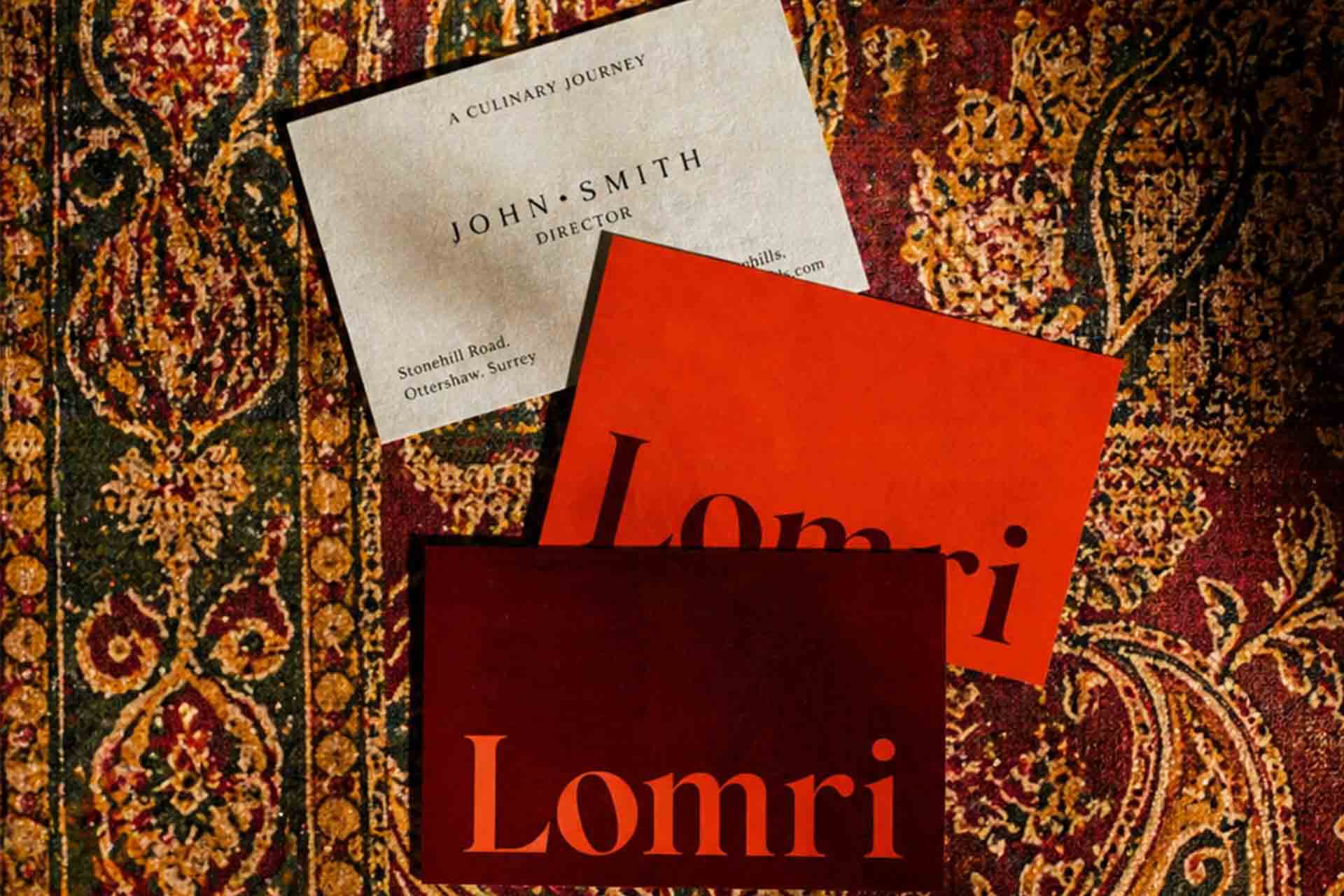
We always filter the approach and decision making of the visual identity through the brand strategy and pillars – these are the guiding principles that prevent us from wavering from our original aims. So, the concept of journey was expressed using typography inspired by heritage maps and cartography design. We used a range of deep reds – from chestnut (local to Surrey) to the chilli red that’s reminiscent of India. In fact, the whole palette was interwoven with narrative, with linen cream, ink black and turmeric yellow all featured. Then, we developed the logo based on patterns seen throughout Indian craft, including diamond shapes, stitching and lattice, but in a more contemporary execution.
How did you work alongside Auden Hospitality in the creation of the F&B concept?
Auden has an established relationship with the client, and their understanding of the location, operational challenges and existing offer helped us quickly get under the skin of the brand to identify opportunities for evolution. Their strategic F&B insight and understanding of guest expectations played an important role in shaping the direction from the outset. At 3Stories, we are always mindful of the full guest journey and how each touchpoint connects. Working closely with the Auden team from the beginning ensured the creative, operational and experiential thinking remained aligned, resulting in a more cohesive expression of the concept.
How does the restaurant concept complement the grander scheme of the hotel?
One of the challenges of the Lomri project was the notion of creating an elevated, standalone destination in the evening that also functioned as a breakfast space and corporate lunch facility, and the limitations presented by the physical space. As a result, the online touchpoints became more important for selling the concept. A strong website and social media design with stylised consistent photography and tone of voice sets the scene and creates enticement, intrigue and buzz.
What does it bring to the guest journey?
The ambition was always to create a dining experience for existing members – one that also entices the local community and guests to include the dining experience in their package. Foxhills, while known for its golf, is a perfect weekend retreat for couple and families. Its location in the heart of Surrey amid beautiful countryside makes it a hospitality gem, but there was an opportunity for a dining experience that stood out and offered something more elevated than the club house or a more standardised hotel restaurant. So we created something bolder, more defined and singular in its offer.
How important were ingredients, craft and cultural exchange to the project?
Every party involved in the project was unanimous in the decision that authenticity, quality and storytelling were the framework for delivering an elevated Indian dining experience.