Interview: Will Gordon on his sustainable vision for Grand Hotel Belvedere
In our interview, he describes how he approaches sustainability with vigour in his own kitchen, while considering the steps required to create cuisine that’s both environmentally responsible and full of flavour.
When did you first fall in love with cooking?
As a child. I spent several summers in Sweden and every year, we would go to the lakes to catch fish, which we cooked on the barbecue later. It was a simple and sweet experience, firmly rooted in tradition.
How would you describe your culinary style?
Personally, my cuisine is based on responsibility: towards the planet, the ingredients we choose, and the people we feed. As Chefs, we have the power to influence how gastronomy evolves, and this responsibility is at the heart of my process. My commitment to plant-based cuisine is based on three pillars: health, ethics and sustainability.
Eating too much meat is not ideal for optimum health. Our bodies struggle to digest it effectively, requiring precious energy which would be better used for recovery, vitality and general wellbeing. In terms of ethics, intensive animal farming is a deeply flawed system. The animals are treated as mere numbers, and they can live in distressing conditions. There’s a fundamental difference between buying meat in a respectful and sustainable way and the current industrial model, which causes pointless suffering and a negative impact on the environment and on communities. This suffering leaves a mark that goes way beyond the plate.
Lastly, animal farming requires extensive use of agricultural land, not just for the cattle, but also for the production of feed grain, which contributes to deforestation and environmental degradation. That said, I don’t consider tofu or soy as a miracle solution, as their cultivation is equally as land intensive. Instead, I advocate a balanced and sensible approach to food, which respects both the planet and our health.
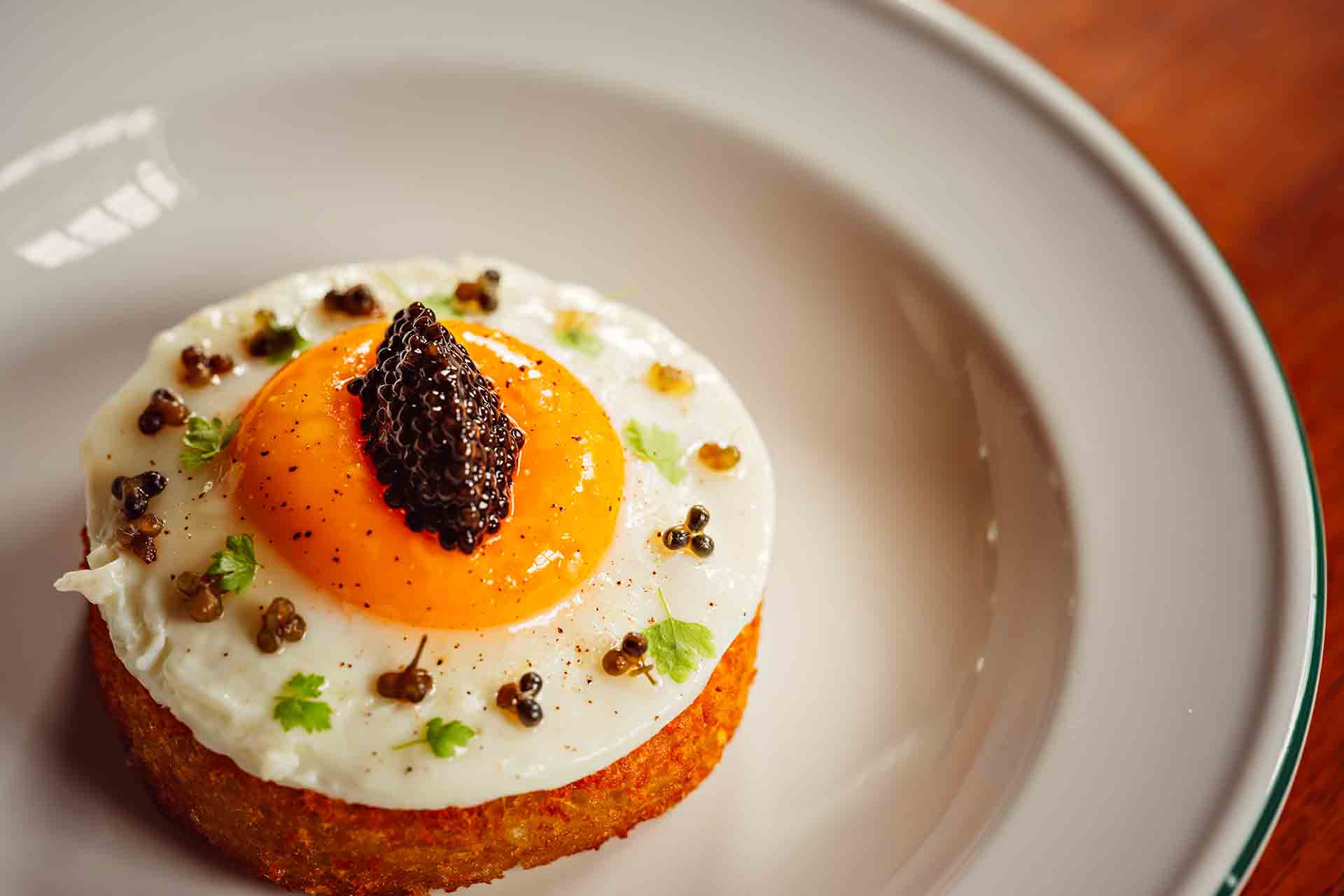
What is your culinary vision for the menu at Brasserie Belvedere at Grand Hotel Belvedere?
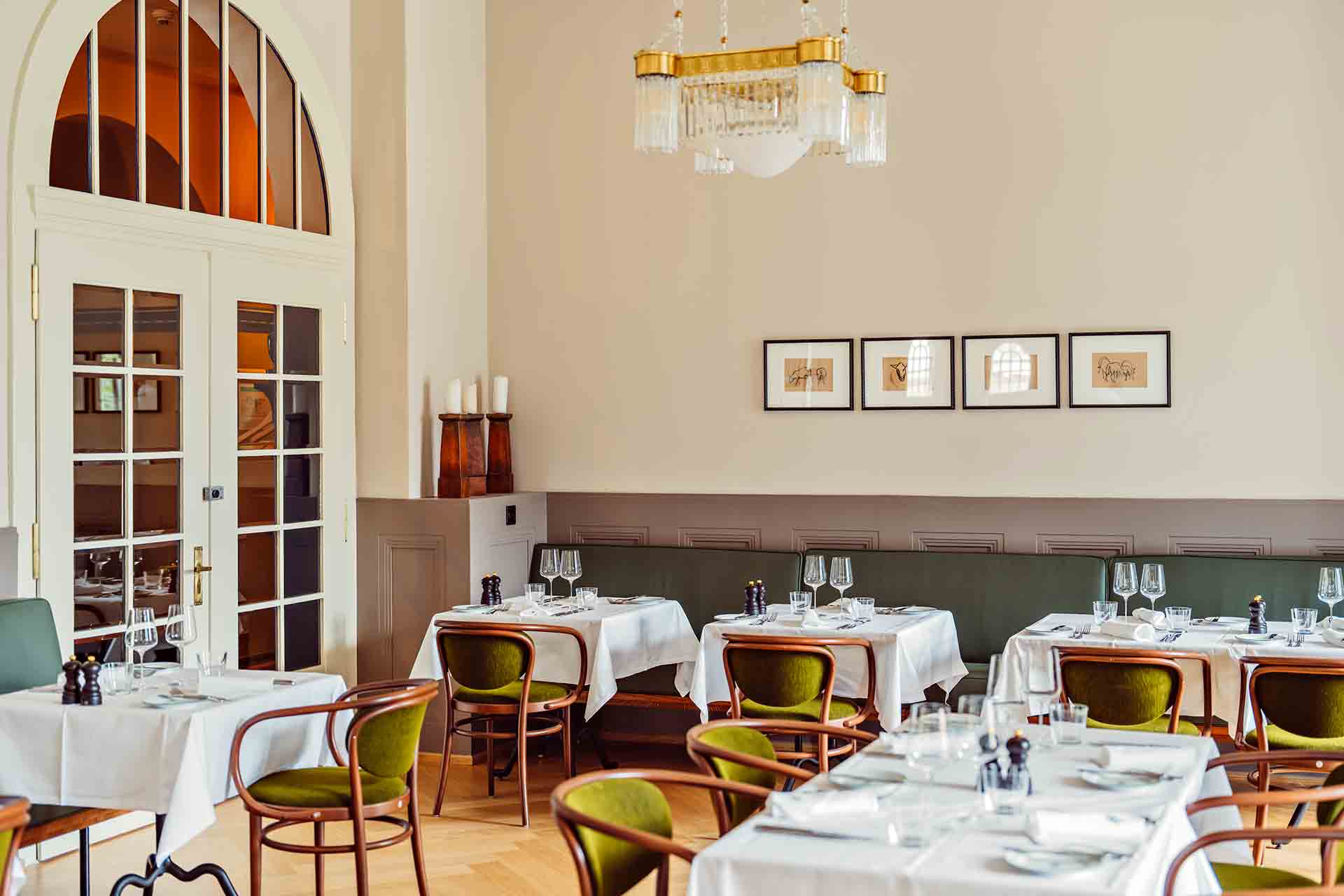
My creative inspiration is a classic Parisian Brasserie, but using the very best local and regional Swiss ingredients.
Do you have a favourite dish on the menu?
It has to be our 68% chocolate mousse, with caramelised local nuts, lightly whipped miso and coffee cream. I love the joy this dish gives both our guests and our chefs. It’s totally vegan, decadent and full of surprises. The chefs come prepare and talk about the dish tableside, which is a nice touch.
What is your approach to sustainability in your cooking?
Sustainability is at the heart of each dish we create at Grand Hotel Belvedere,. We are committed to reducing waste by making the most of each ingredient. Take our superfood salad as an example. The pumpkin seeds are toasted and blended into the vinaigrette, while the pulp is dehydrated and integrated into the dish. The only part we don’t use – the skin – is composted and used in our garden. Any food waste that can’t be reused is processed in our composting system, reducing its volume by 90%. This compost either enriches our soil or is sent to a facility to be converted into biogas, guaranteeing that each organic element is upcycled.
We avoid throwing things away as much as possible: everything is sorted, reused or composted. Even our cooking methods respect the nutritional value of ingredients. That’s why we never heat our miso glaze above 60°C so as to preserve its beneficial properties, for example.
For us, sustainability is not just a question of protecting the environment, but also one of wellbeing. That’s why we opt for nutrient-rich dishes, made from unprocessed or minimally processed ingredients, offering cuisine that is both responsible and full of flavour.
What is the most important lesson you’ve learned during your career?
You always received back the input and effort you give to yourself and the project, team and guests. So, it’s important to put value and awareness into your daily choices.
What is the biggest challenge faced by the hospitality sector at the moment?
I think there are many challenges but if I had to choose just one it would be for the concept you choose to make sense in the location you are in.
Which chefs have inspired you?
Both Mentors Bryn Williams and Sat Bains have been my biggest inspiration in the culinary world but beyond the obvious I am inspired deeply by the people that come and go through my career in the kitchen, here lies the greatest lessons in learning about myself and the cultures among us.
What would you like your next project to be?
I would love to open a restaurant on a piece of land where the ingredients come from what we cultivate and are sourced from the personalities surrounding us. I’d also love to work by the sea one day.
What would you like to be remembered for?
Creating a balanced menu for all dietary requirements to enjoy.
What is your favourite dish, and who cooks it?
My favourite dish is curry. The time it takes, the understanding required and the vast amount of ingredients used to balance it to perfection requires a humble connection to the senses.