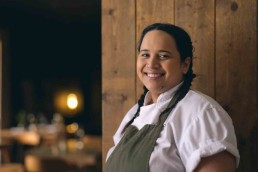
Interview: Kristin Reagon on making the most of ingredients at Lasair
Kristin Reagon is Head Chef at Lasair within Finn Lough, where she leads an all-female kitchen team and has helped shape a distinctive food identity rooted in live-fire cooking, seasonality and local produce. Originally from South Africa, she began her culinary journey unexpectedly after winning a school cooking competition that led to a full scholarship at the Sense of Taste Chef School in Cape Town.
Her work has also gained wider recognition through her participation in competitions including, the S. Pellegrino Young Chef Academy and BBC Two’s Great British Menu, where she represented Northern Ireland in 2026. At Lasair, she is known for creating menus that balance refinement with instinctive cooking, using produce-led dishes and a strong sense of narrative to shape the experience.
In our interview, Reagon discusses the importance of developing talent, keeping things simple and why sustainability begins with respect for the ingredient.
When did you first fall in love with cooking?
It started when I was a kid. I used to watch cooking shows and then I’d come home and try to recreate what I had seen, just to understand how it worked. I’ve always been fascinated by the process of taking individual ingredients and turning them into something that becomes a complete dish.
How would you describe your culinary style?
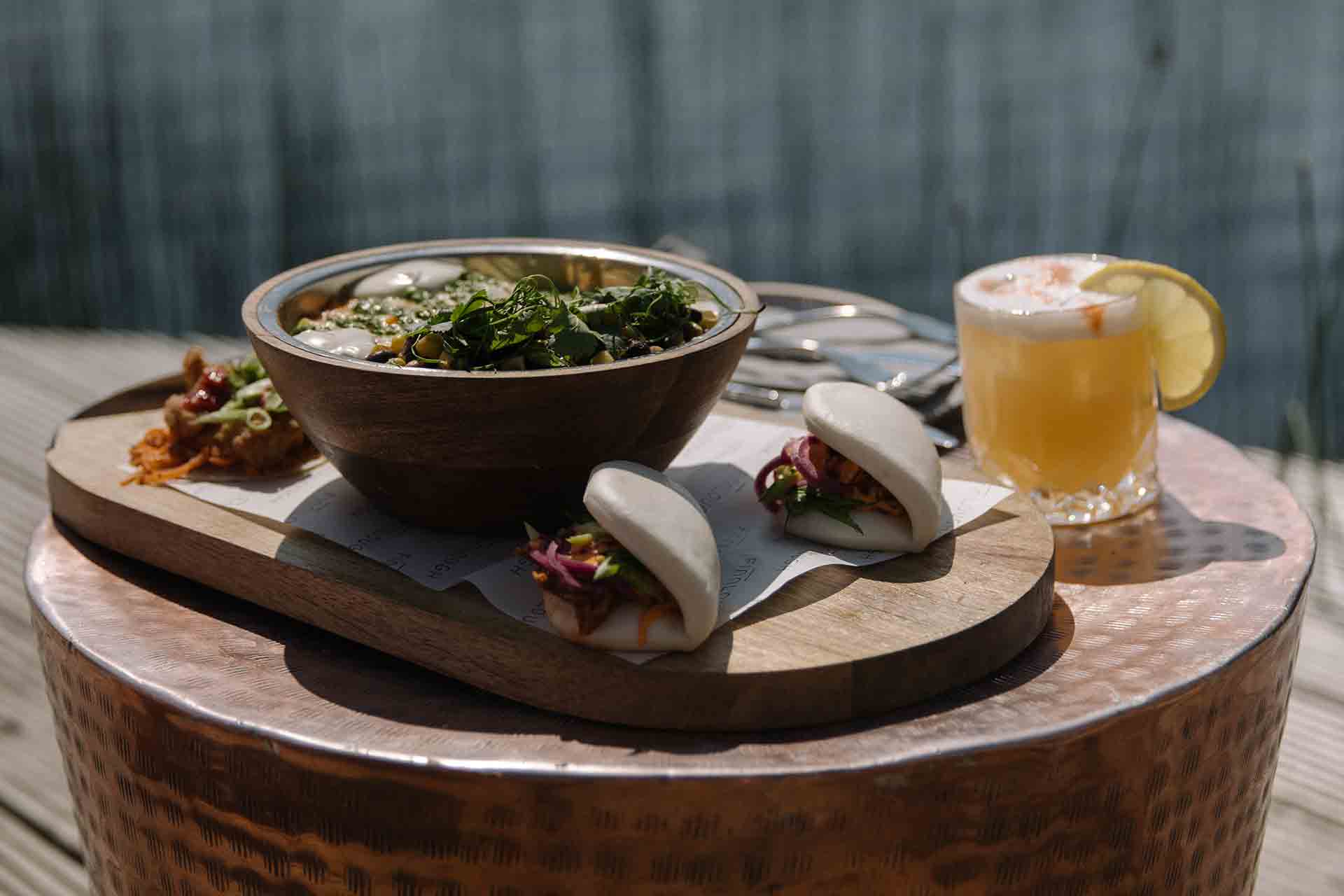
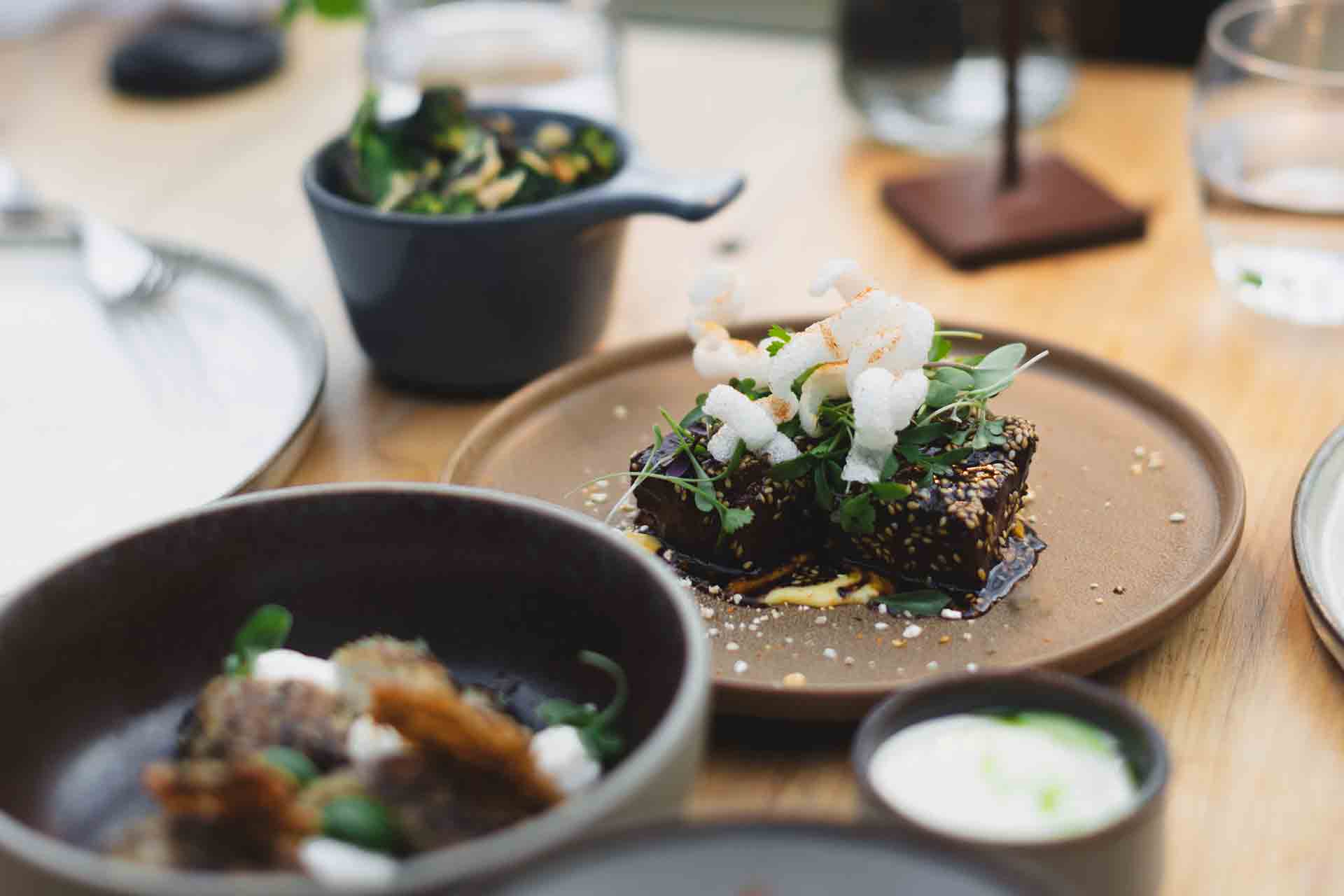
I’d describe it as good produce, done well, with a bit of added theatre. I like taking things that people recognise and then playing with them. But I don’t want food to be complicated just for the sake of it – there needs to be a reason behind what’s on the plate, and it still has to taste really good. Lasair’s location in Fermanagh means we’re lucky to have incredible produce around us, so the landscape naturally influences the food. We use local meats, produce from our polytunnel and garden, and ingredients from local producers. I want the food to feel connected to where we are, while still being exciting.
What is the culinary vision for the menus at Lasair?
We aim to create food that feels different from what you might expect from a hotel restaurant. There’s a tapas-style element to the menu, which allows us to be playful and give guests lots of different experiences throughout a meal. Seasonality is also important to how we work. The menu changes with what we have available, and we’re increasingly putting more focus on ferments and preservation because we want to make the most of the produce we have throughout the seasons.
Do you have a favourite dish on the menu?
That’s a difficult one because my favourite is usually whatever we’re most excited about in a particular moment. Right now, it’s our mushrooms on toast because I love dishes where you can recognise the ingredients but there’s something unexpected about them. That balance is what I’m always looking for – something familiar enough that the guest understands it, but with a little moment that makes them stop and think.
What is the most important lesson you’ve learned during your career?
Don’t rush the process. You need to learn the foundations properly before you can really start breaking the rules. I’ve learned a lot from the chefs I’ve worked with and from the kitchens I’ve been lucky enough to be part of, and every experience has taught me something different. I also believe strongly in teaching. You watch a task, you do it with someone by your side, and then eventually you should be able to teach someone else the same skills.
What are the biggest challenges faced by the hospitality sector, and how are you tackling them?
Hospitality is demanding, and retaining good people and developing young chefs is incredibly important. I think we need to create kitchens where people can learn and maintain standards yet also feel supported. The old idea that you have to break someone down to make them a good chef doesn’t work for me. I want my team to be pushed and challenged, but I also want them to understand why we’re doing things. If someone leaves my kitchen having learned something and feeling more confident than when they arrived, that’s a success for me.
Which chefs have inspired you during your career?
One chef who has really inspired me is Ivor Jones. I’ve never had the opportunity to work with him, but I’ve always admired his creativity and the way he approaches food. His ability to take ideas and turn them into something unexpected really resonates with how I like to cook. I’m also inspired by Sally Abé, particularly because of the way she advocates for women in kitchens. As a woman working in a traditionally male-dominated industry, I really admire what she represents and the way she continues to create space and opportunities for women in hospitality.
What is your approach to sustainability in the kitchen?
For me, sustainability starts with respect for the ingredient. We’re fortunate at Finn Lough to have our own growing spaces and access to incredible local produce, so we try to use as much of what we have as possible. Preserving, pickling and fermenting are becoming a bigger part of our cooking because they allow us to extend the life of seasonal produce rather than simply using it for a short window. It also comes down to the everyday things in a kitchen like managing waste, using ingredients properly, ordering responsibly and teaching the team not to throw something away just because it isn’t perfect. I think sustainability should be practical. It needs to become part of how a kitchen operates every day rather than something we only think about when creating a dish.
What’s next on your project wishlist?
One of the things I’m really interested in is finding ways to showcase the produce we collect during the summer throughout the winter. We have such an abundance during the warmer months, and realistically, we don’t always have the capacity to use everything while it’s at its peak. I want to make better use of that surplus through fermentation, pickling and preservation. That means making sauces that can be bottled, fermenting vegetables, creating syrups, drying spices and finding different ways of preserving what we have. For me, it’s about taking what the summer has given us and carrying those flavours through into the winter.
What is your favourite dish, and who cooks it?
My favourite dish at the moment is my chilli-butter BBQ chicken with carrot harissa purée, pickled carrot and pickled mustard jus. I love that it takes something incredibly humble, like a carrot, and makes it the focus of the dish, while still celebrating the chicken. It brings together fire, fermentation, pickling, spice and great produce, which is very much the essence of my cooking. I like taking familiar ingredients and pushing them into something a little more intriguing, without losing what makes them delicious. I love finding the time to cook for myself after a busy day at work.