Interview: Arto Rastas on creating an authentic taste of the Arctic at Arcora
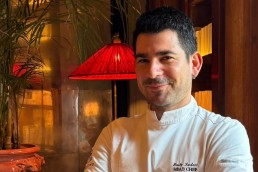
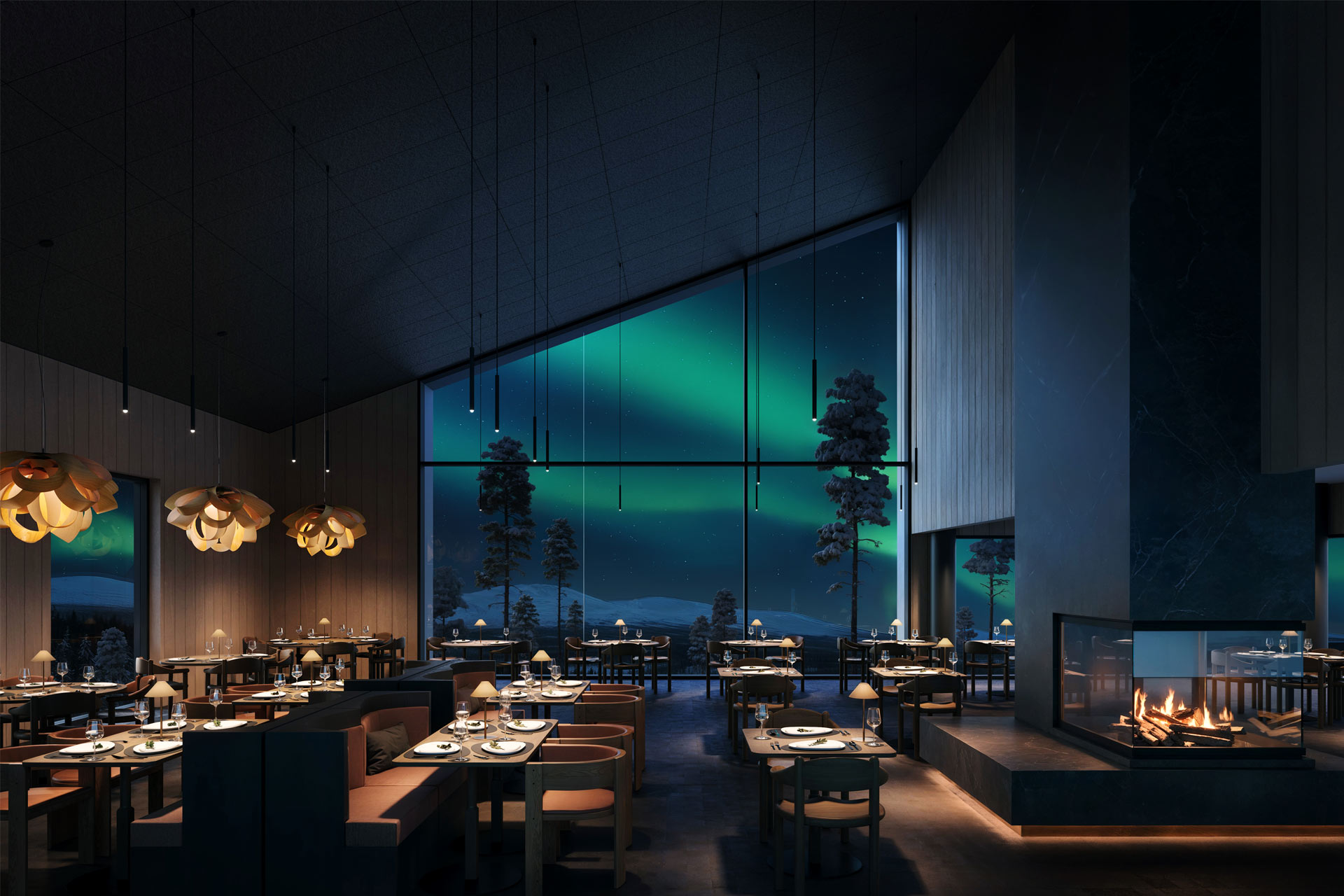
Chef Arto Rastas is the culinary force behind Restaurant 8 at Arcora Boutique Hotel & Villas, a property set to open in Finnish Lapland in 2027.
A Maison Lanson Chef Ambassador and former member of the Finnish National Culinary Team, Rastas began his career as a teenager in his hometown of Rovaniemi. He has since studied at Le Cordon Bleu in Paris and worked in leading kitchens across Finland and Austria.
His cooking is grounded in seasonality and respect for provenance, combining Arctic ingredients and traditions with international influences. At Restaurant 8, this takes the form of a culinary journey through Lapland’s eight seasons, pairing ingredients such as reindeer, wild fish, berries, mushrooms, spruce and herbs with the simplicity and precision of Japanese cuisine.
Set in the lakeside village of Torassieppi, surrounded by fells, forests and frozen lakes, Arcora marks a return to Rastas’ northern roots. Here, his ambition extends beyond the plate, bringing together food, drinks, service and atmosphere to offer guests an authentic taste of the region.
In our interview, Rastas discusses his approach to seasonal cooking, the importance of putting guests first and why his mother’s macaroni casserole remains his favourite dish.
When did you first fall in love with cooking?
I started working as a kitchen assistant at a roadside service station when I was 14. That was really where my relationship with cooking began. Growing up on the Arctic Circle, I was surrounded by incredible ingredients and a strong connection to the seasons, and over time I realised that cooking gave me a way to express that connection. I loved the energy of the kitchen, the craftsmanship and, most importantly, seeing people enjoy something I had created.
How would you describe your culinary style?
I would describe my cooking as seasonal, ingredient-led and rooted in where I come from, but influenced by the many kitchens I have worked in throughout my career. I believe in letting good ingredients speak for themselves rather than overcomplicating them. I enjoy combining different culinary traditions and techniques, but always with a clear sense of balance and respect for the ingredient.
What is your culinary vision for the menu at Restaurant 8?
The starting point is always the ingredients and the sense of place. I want the menu to reflect Restaurant 8 and its surroundings, while bringing my own experience and perspective to it. Seasonality is very important, as is keeping the food generous and enjoyable while maintaining a high level of craftsmanship. I like taking ingredients that people recognise and presenting them in a way that feels fresh and unexpected, without losing their identity.
Do you have a favourite dish on the menu?
My favourite dish at the moment is the pan-seared reindeer loin with dark liquorice root sauce, braised mushrooms and blackcurrant. It really captures the flavours and character of Lapland. Reindeer is an incredibly special ingredient, and the earthy mushrooms, acidity of the blackcurrant and deep, slightly bitter notes of liquorice root complement it beautifully. It tastes like Lapland, but not in the most obvious way.
What is the most important lesson you’ve learned during your career?
The most important lesson I’ve learned, and perhaps something I’ve always known but have come to understand much more deeply with age and experience, is to never underestimate the guest and to always remember the true purpose of our profession. We are here for the guest. Our job is to listen, understand and serve them as well as we possibly can. That doesn’t mean simply saying yes to everything, but approaching hospitality with genuine humility, respect and professionalism.
After more than 30 years in this industry, I’ve also learned that great food alone is never enough. Techniques, trends and concepts will continue to change, but the fundamental purpose of hospitality remains the same: how we make people feel. In the end, guests may not remember every detail of a dish, but they will remember how we treated them and how we made them feel. That, to me, is the heart of hospitality.
What are the biggest challenges faced by the hospitality sector at the moment?
Economic uncertainty, geopolitical tensions, rising costs and changes in consumer behaviour all have a direct impact on travel and hospitality. People are more careful about how they spend their money, and when they do travel, they expect real value and increasingly meaningful experiences.
At the same time, finding and retaining skilled, motivated people remains one of the biggest challenges in our industry. Hospitality is ultimately a people business, and without passionate people you cannot create truly memorable experiences.
I believe we need to respond to these challenges by working smarter rather than compromising on quality. We need strong concepts, efficient operations and workplaces where people feel valued and proud of what they do.
At Arcora, we are also focusing strongly on authenticity. Instead of trying to copy international luxury hotels, we want to create our own interpretation of Arctic luxury – rooted in Lapland, its ingredients, nature and traditions, but presented in a modern and internationally relevant way. I believe this kind of strong identity will become increasingly important in hospitality.
What has influenced your approach to cooking throughout your career?
I have been inspired by many chefs throughout my career, particularly those who have developed a strong identity while remaining curious and open to new ideas. My experiences working in Finland, Austria and France exposed me to very different approaches to food and hospitality, and studying at Le Cordon Bleu in Paris was another important influence. I have always tried to take something from every kitchen and every chef I have worked with, rather than following just one person or one style.
What is your approach to sustainability in your cooking?
For me, sustainability begins with respect for the ingredient. That means understanding where it comes from, using it thoughtfully and making the most of what is available. Seasonality naturally plays a huge role in my cooking. In Lapland, we are fortunate to have eight distinct seasons, each bringing different ingredients, flavours and possibilities. Working with wild mushrooms, berries, herbs, wild plants and local produce when they are at their best allows us to create food that is both more meaningful and more responsible.
What would you like your next project to be?
I am very excited about Restaurant 8 and what we are creating. It is a particularly personal project for me because I grew up there, so returning to my roots and bringing together everything I have learned over more than three decades is incredibly meaningful. Beyond that, I am always interested in projects that have a genuine sense of place and allow food to become part of a wider experience. I don’t think you should ever stop looking for the next challenge.
What is your favourite dish, and who cooks it?
My favourite dish is Finnish macaroni casserole – makaronilaatikko. And of course, it has to be made by my mother. It might sound funny coming from a chef who has spent more than 30 years in professional kitchens, but that is exactly what makes food so special. Your favourite dish doesn’t have to be sophisticated or technically complicated. For me, my mother’s makaronilaatikko is about childhood, home and memories. It’s a taste that immediately takes me back to where I come from.