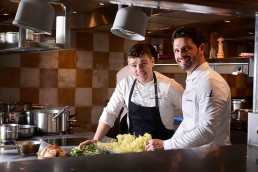
Interview: Anthony Bonnet reveals the secrets behind the Michelin star at Les Loges
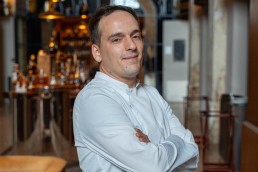
Born and raised in the rural Monts du Lyonnais region of France, Chef Anthony Bonnet was imbued with a love for the land as a child that naturally evolved into a desire to cook. As he grew older, he secured culinary apprenticeships at various Michelin-starred restaurants including Jean Brouilly in Tarare and La Rotonde with Philippe Gauvreau in Charbonnières-les-Bains, before landing at Cour des Loges Lyon, A Radisson Collection Hotel in 2004, where he’s remained ever since.
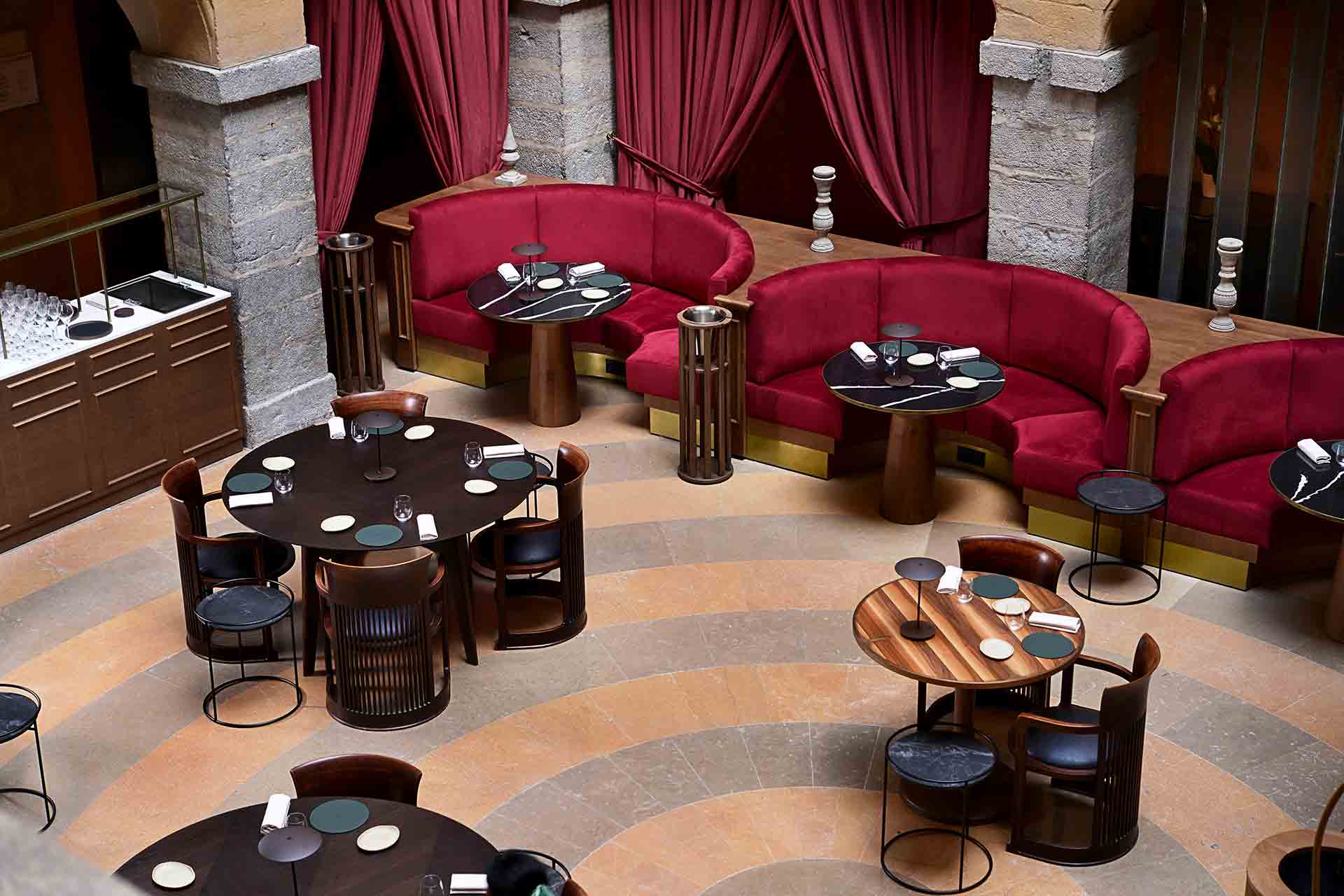
Now, as Executive Chef of the property, he oversees the culinary concepts at bistro-style restaurant Le Comptoir, Bar 1341, breakfast, and the hotel’s signature offerings, Les Loges, which was recently awarded a Michelin star.
Here, the chef reflects on his inspirations, current challenges facing the industry, and why local sourcing and sustainability will always remain at the core of cooking philosophy.
When did you first fall in love with cooking?
From a very young age. My grandparents were farmers. My father would slaughter the pigs on the farms, and together, we would gather chestnuts and mushrooms. We also grew different fruits and vegetables. I had my own vegetable garden. We didn’t buy anything; we made everything. I grew up surrounded by these raw products, which naturally gave me a taste for cooking.
How would you describe your culinary style?
Sincere and sustainable. Sincere, because every product I put on the plate, I would serve to my family and friends. They are real products, carefully selected locally. And sustainable because every product that enters our kitchens is valued and used in its entirety. We work with producers who share a sustainable vision of farming and respect for the products.
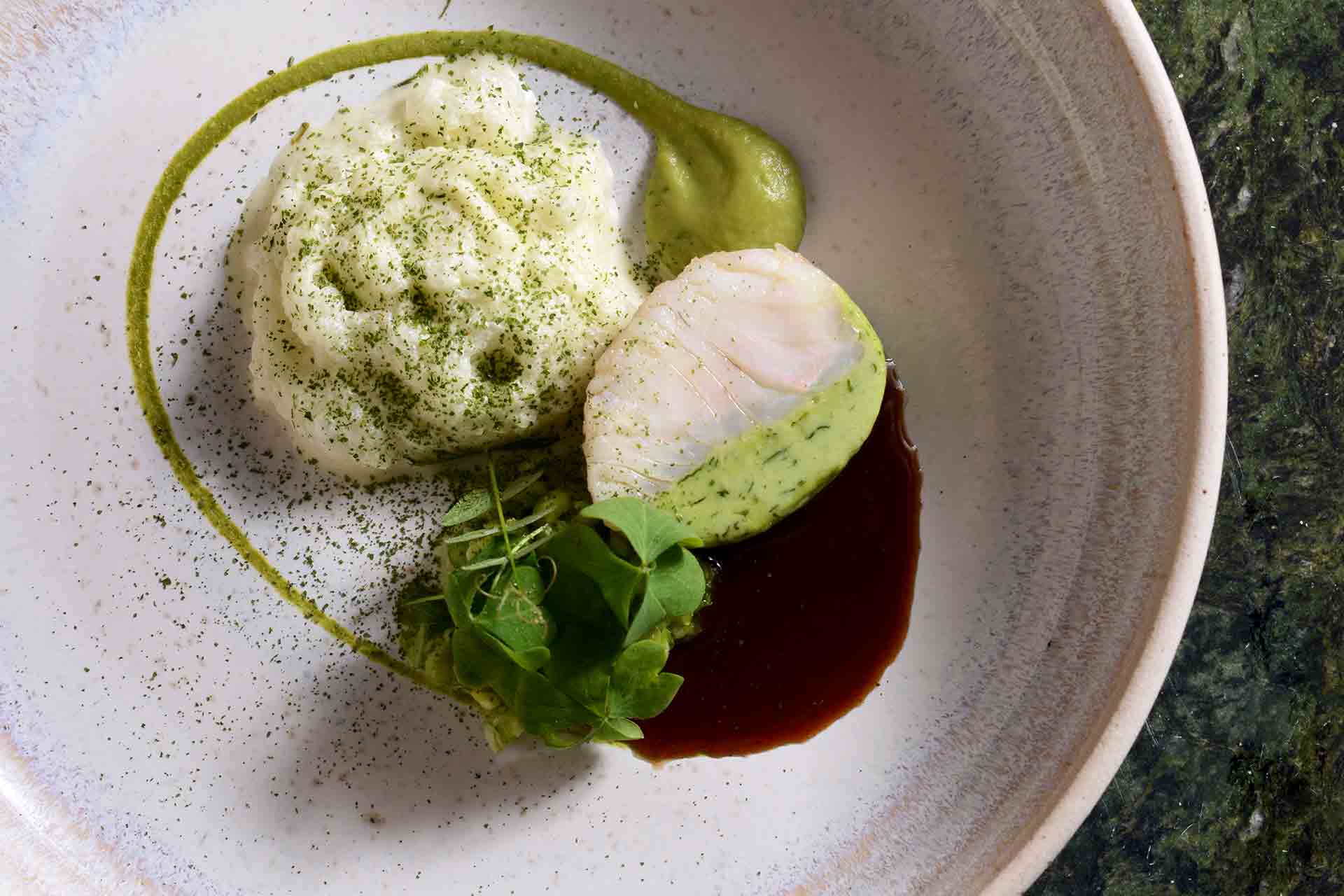
What is your culinary vision for the menu at Les Loges?
Above all, seasonality, which allows us to work with products at their best. I also like to highlight my terroir, which means working locally and promoting our farmers. They are the ones who ultimately define my menu based on what nature gives them.
Do you have a favourite dish on the menu?
I don’t like to name a favourite dish, but rather a product: squab. First of all, because I had my own farm when I was young, and it was with this meat that I experienced my first culinary emotions – there is a unique finesse to it. I’d also have to say pâté en croûte, a typical dish from Lyon, because I particularly enjoy working with stuffings and charcuterie. Again, this is a result of my childhood because we used to make terrines, saucissons and pâtés alongside my dad, and it has become an essential skill in my cooking.
What’s been the key to securing a Michelin star at Les Loges?
I’d like to say the creation of sincere cuisine that reflects who we are, with genuinely good products. But in reality, there isn’t just one key factor. It’s more a combination: the work of the teams, both in the kitchen and front of house, the attention given to sourcing and the overall experience we aim to offer our guests
What’s your approach to sustainability in your cooking?
First and foremost, it begins with choosing the right producers. By being their customers, we also help support and value their work. Then, there is a real balance in how we work with the products: adding value without changing their nature, and above all using each product responsibly, as a whole. Sustainability is therefore about sourcing, preparation, but also about raising awareness among our teams and our customers.
What is the most important lesson you’ve learned during your career?
There isn’t just one lesson in particular, because I question myself every day. In this job, if you rely only on what you already know, it doesn’t work, expectations are constantly changing, so you have to stay open and keep learning all the time. But if there’s one essential thing, I would say it’s hard work. You don’t achieve anything without it.
What are the biggest challenges faced by the hospitality sector, and how are you tackling them?
The first challenge is clearly recruitment. You have to adapt to a younger generation that sometimes has different priorities, while also passing on the values of the job, such as patience and commitment. On our side, we try to offer a real career path, along with sharing passion and savoir-faire. Managing to inspire people and create a genuine passion for the profession is essential to retain teams. The other major challenge is a less loyal customer base, with guests who want to discover and try many different things. So, you need to be sincere in the food you offer, but also able to keep evolving. This involves a lot of work on recipe development, regularly introducing new ideas. It takes time and energy, but it benefits both customers and the team.
What are you championing in 2026?
For several years, I have been committed to the same values when it comes to sustainability – both in my choice of suppliers and in the way I work with ingredients in the kitchen. More recently, I have also been working to promote a better work-life balance for my teams. My goal is to offer them a fairer distribution of workload while preserving the enjoyment and meaning they find in their work.
What would you like your next project to be?
To continue to imagine the cuisine of tomorrow – one that is meaningful and rooted in sustainability, while always making customers want to come to the restaurant to have an experience and discover something new. And also to pass on, through my teams and to a new generation, this knowhow and this vision of cooking.
And what would you like to be remembered for?
Honestly, it’s not so much me that I’d like to see recognised – what really matters is my team, and more broadly all the people in the restaurant industry who keep gastronomy alive and flourishing every day. I’d like to see more recognition given to the collectiveness and team spirit rather than to the individual, because in the end, nothing in this profession is achieved alone.