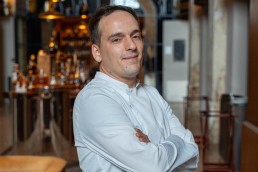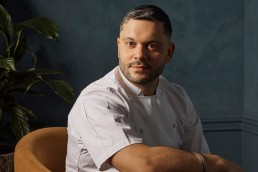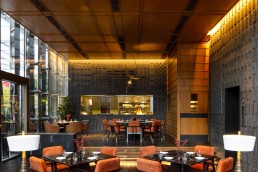
Two Michelin-starred chef Óscar Velasco has just opened his first hotel restaurant at the newly reopened Finca La Bobadilla in Andalusia, part of family-run hospitality group Único Hotels.
Velasco brings more than two decades of experience and a celebrated Michelin-starred career to the Andalusian retreat. He first rose to prominence at Santceloni in Madrid, where he held two stars, before opening his own restaurant, Velasco Abellà, alongside his wife and pastry chef Montse Abellà.
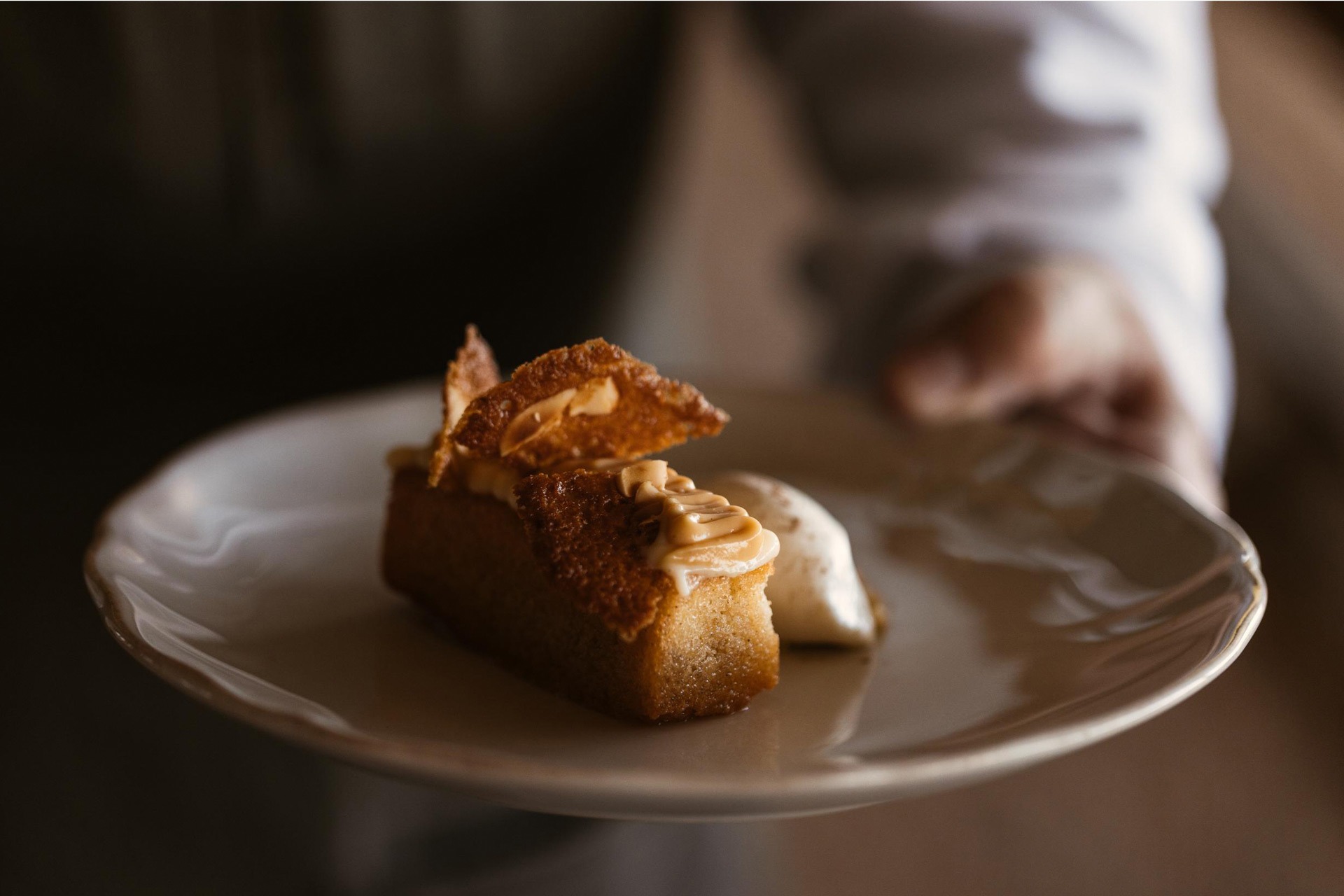
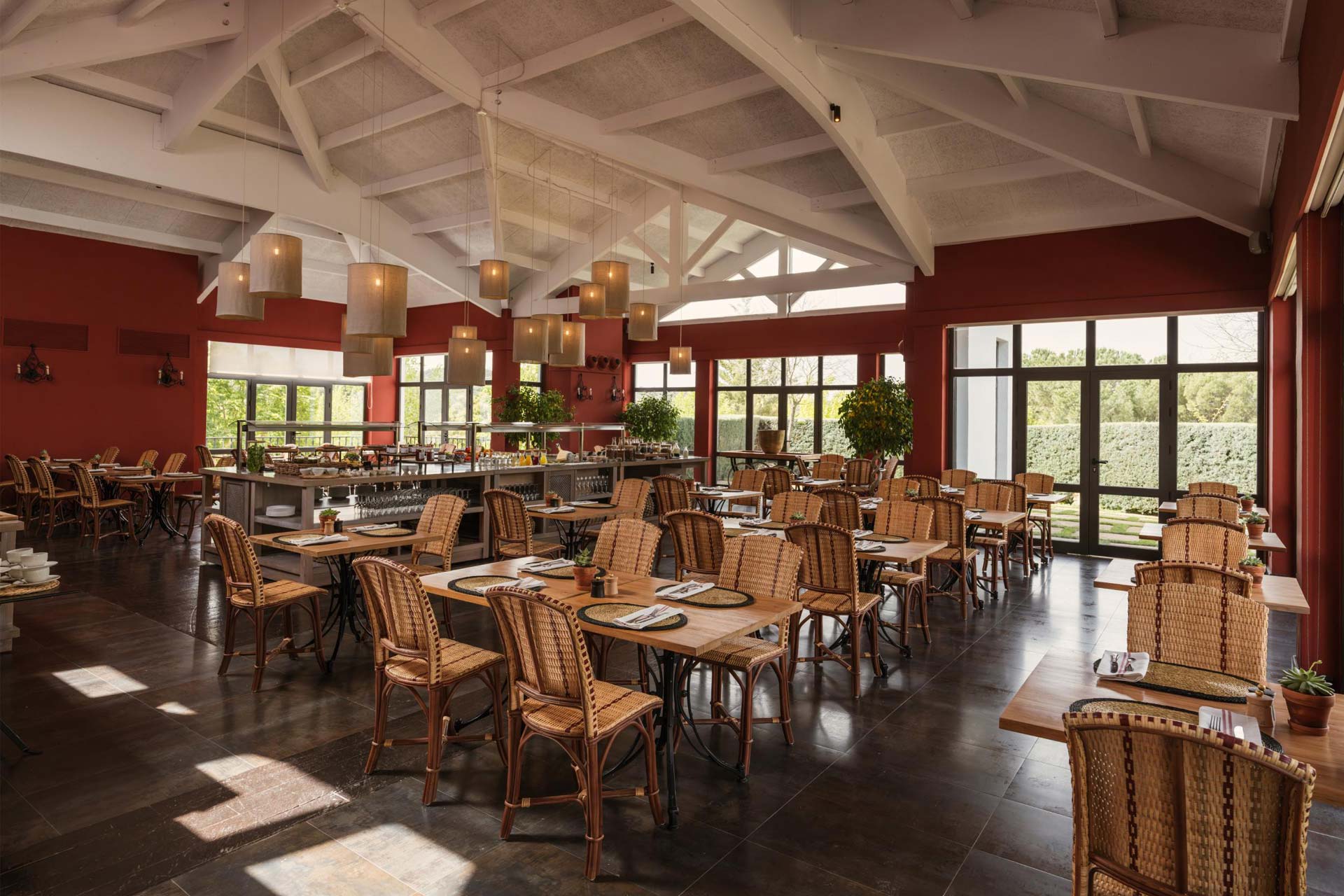
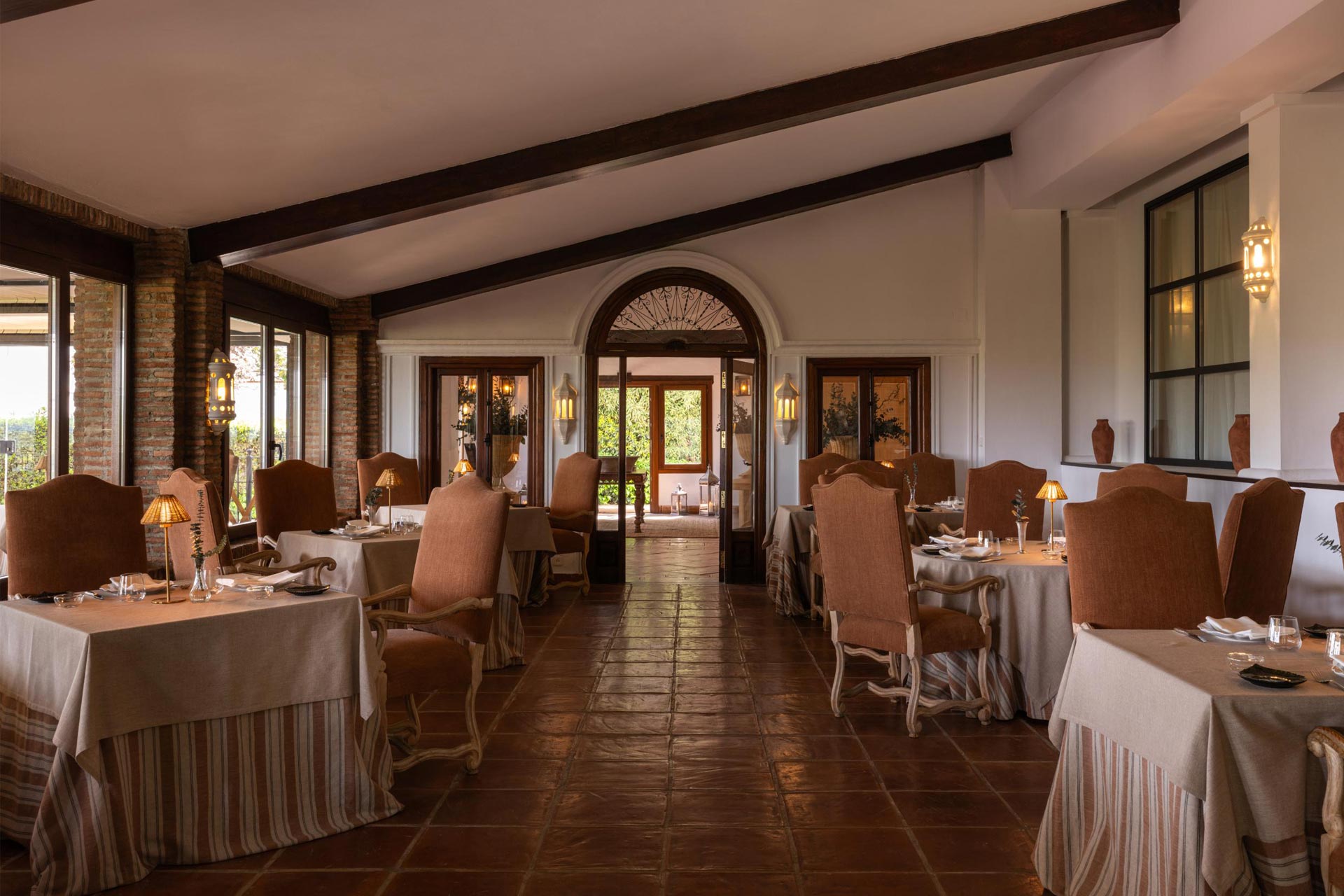
At the heart of Finca La Bobadilla’s culinary offering is La Jara, the hotel’s adults-only restaurant. Here, Velasco has created a dining experience centred around seasonal Andalusian produce: olive oils grown in the estates gardens, local wines and authentic flavours of the region. El Mirador offers relaxed garden dining centred around grilled meats, while El Cortijo presents a more relaxed dining room, offering uncomplicated, flavourful dishes and regional specialities, from creamy rice with squid and prawns to traditional mollete bread served with slow-cooked pork pringá.
In our interview, Velasco talks about the philosophy behind his new restaurants, the importance of Andalusian identity in his cooking and what he’s learnt from some of Spain’s greatest chefs including Benjamín Urdiain, Santi Santamaría and Martín Berasategui.
When did you first fall in love with cooking?
I always say that I found my vocation later than most. I started working in a kitchen at a very young age, mainly on weekends, and I thought it would only be temporary. In fact, I was convinced that I did not want to pursue it professionally.
As time went by, and almost by chance, I ended up enrolling at a hospitality school in Segovia. For me, that was a turning point. There I met my teacher, José Luis Aguilar, who opened my eyes to the greatness, diversity and endless possibilities of the world of gastronomy, and especially of cooking. I still remember a phrase he used to repeat to us: “cooking will give back everything you are willing to invest in it.” Over the years, I have realised how right he was. Cooking is a demanding profession, but it is also incredibly rewarding for those who approach it with passion, dedication and commitment.
How would you describe your culinary style?
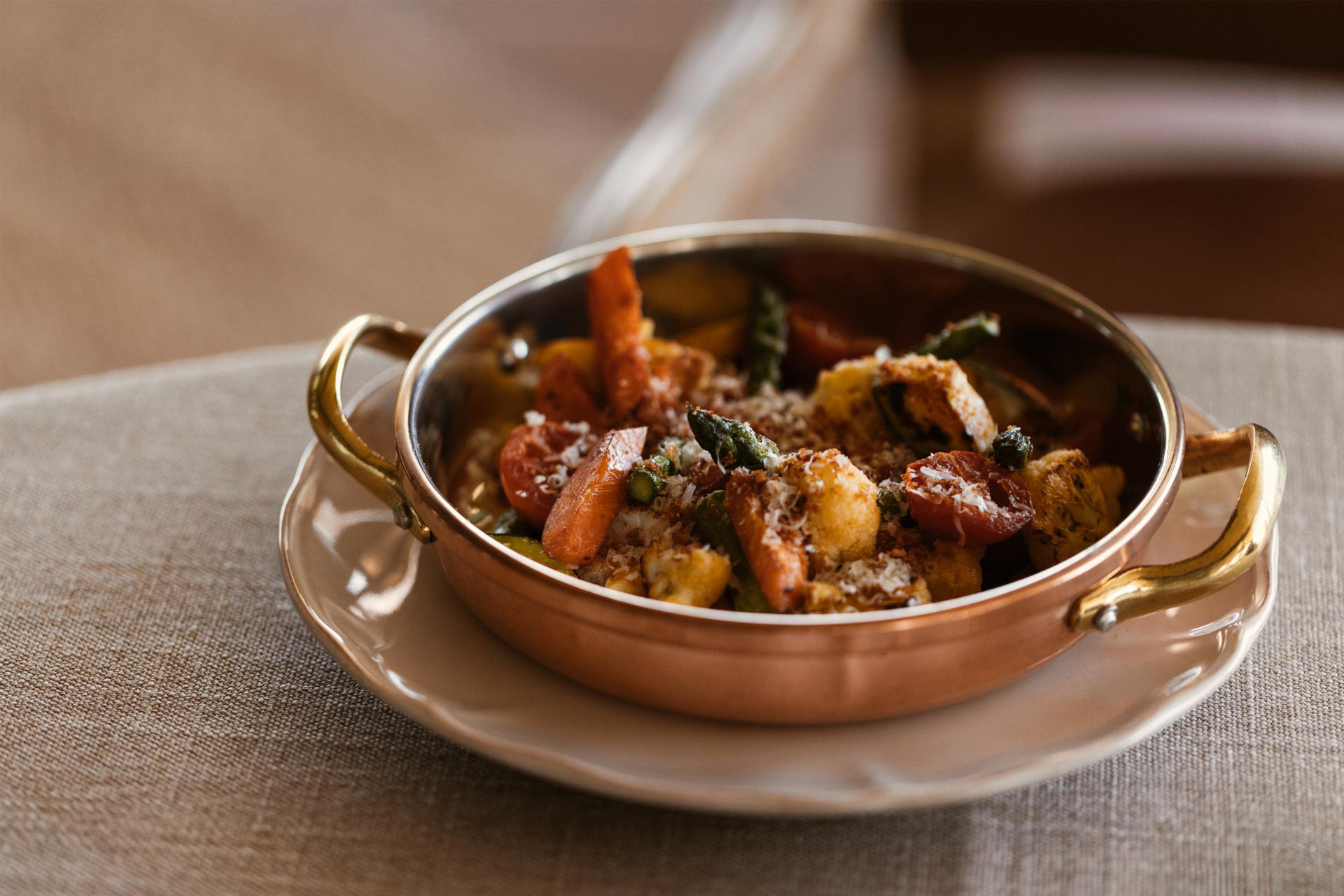
Our cuisine is driven by flavour, respect for the finest ingredients and the harmony between technique and product. It is a contemporary cuisine with strong roots, built upon the knowledge acquired over many years and the enthusiasm to keep learning every day. We strive to create food that does not need to shout to be heard; cuisine that moves people through honesty, authenticity and subtlety.
What is your culinary vision for the menu at Finca La Bobadilla?
The goal of our work is to showcase local culture and ingredients, sharing our personal way of understanding cuisine with our guests. Through our food, we tell the story of who we are and how our experiences have shaped us and helped us grow.
We welcome guests from all over the world, and we want them to feel connected to the place they are visiting. We aim to offer not only a meal, but also a genuine sense of place, allowing them to experience the culture, traditions and character of our surroundings through our cuisine.
Do you have a favourite dish on the menu?
I don’t like choosing just one. The moment you choose a favourite, you inevitably leave all the others behind.
For me, one of the greatest attractions of gastronomy is its variety. No matter how much you enjoy a particular ingredient or dish, if you eat it every day, eventually you will grow tired of it. Everything has its time and place. Part of the pleasure of food lies in anticipation, in waiting for a season to return and appreciating each ingredient when it is at its very best.
What is the most important lesson you’ve learned during your career?
I believe that no matter how much natural talent or ability you may have, nothing can be achieved without hard work, dedication and consistency.
What are the biggest challenges faced by the hospitality sector at the moment, and how are you tackling them?
I believe that one of the greatest challenges facing the hospitality industry today is finding the right balance between excellence, economic sustainability and quality of life for the people who make it possible.
Hospitality has always been a demanding profession, but today there is a genuine need to rethink certain working practices and rhythms in order to build strong, sustainable projects for the long term.
Which chefs have inspired you?
I feel fortunate to have learned from some of the greatest chefs, working side by side with them and immersing myself in their passion and philosophy in the kitchen.
My first steps in a Michelin-starred kitchen were at Zalacaín in Madrid alongside Benjamín Urdiain, the first chef in Spain to be awarded three stars.
Santi Santamaría was a great influence because of his defence of flavour, identity and a cuisine with soul. And Martín Berasategui has been a tremendous reference for me because of his work ethic, his high standards and his way of understanding the profession.
What is your approach to sustainability in your cooking?
I try to make sustainability a natural part of our day-to-day work. We should not view it solely in terms of recycling, waste management or making the most of every ingredient, although all of those aspects are certainly important.
I believe we also need to focus on people. Sustainability is closely linked to working hours, work-life balance and the overall well-being of our teams. We have a responsibility to create healthy working environments that can attract, develop and retain talented professionals.
Just as we strive to build a sustainable cuisine, we must also work towards building sustainable and motivated teams that can grow together and endure over time. In my opinion, that is one of the greatest challenges facing the hospitality industry today.
What would you like your next project to be?
If I had to choose one, it would probably be a tapas bar: a lively place, full of energy, with a more relaxed and informal atmosphere, where the counter is filled with delicious food and tempting things to eat.
I love sitting down and enjoying a meal in a restaurant, but what I enjoy even more is that moment beforehand: the aperitif, or a vermouth before lunch. There is something special about it. Sharing a drink, a few bites and good conversation is one of the great pleasures of our gastronomic culture.
What is your favourite dish, and who cooks it?
I think it would be my mother’s ham croquettes. Curiously, it is a dish that I hardly ever cook. Perhaps because I have a special respect for them, or even a little fear, as I have never managed to make them as delicious as she did.
Sometimes we associate certain flavours with specific moments, memories and people. No matter how good a recipe may be, or how much technique you have, there are emotions that are impossible to reproduce.