Cottar’s 1920s Camp launches seven themed dining experiences
Cottar’s 1920s Camp has launched seven themed dining experiences rooted in the ecology and culture of the Maasai Mara.
The programmes draw on indigenous botany, early safari history, the ecological pressures facing the Maasai Mara, and even the food intelligence of primates. They include:
Maasai & Smoke: Honouring the deep bond between the Maasai people, their cattle and the power of fire, this menu opens with whipped goat chèvre, Maasai “killer bee” hot honey and crispy wild basil. The main course features Maasai Wagyu beef tenderloin gently smoked over dried savannah grasses, served with an irio taco and wild herb chimichurri. Dessert reimagines maziwa mala, Kenya’s traditional fermented milk, as a light parfait with fresh passion fruit and sesame tuile.
The Invasive Menu: The Maasai Mara is home to approximately 30 invasive plant species, several of them serious ecological threats. This menu turns that challenge into culinary inspiration. Trumpet mushrooms and Malabar spinach are wrapped with satay, a goat terrine is served with heritage greens, crispy cassava and sour plum sauce, while dessert brings wild nettle cake and wild mint ice cream with pumpkin seed praline.
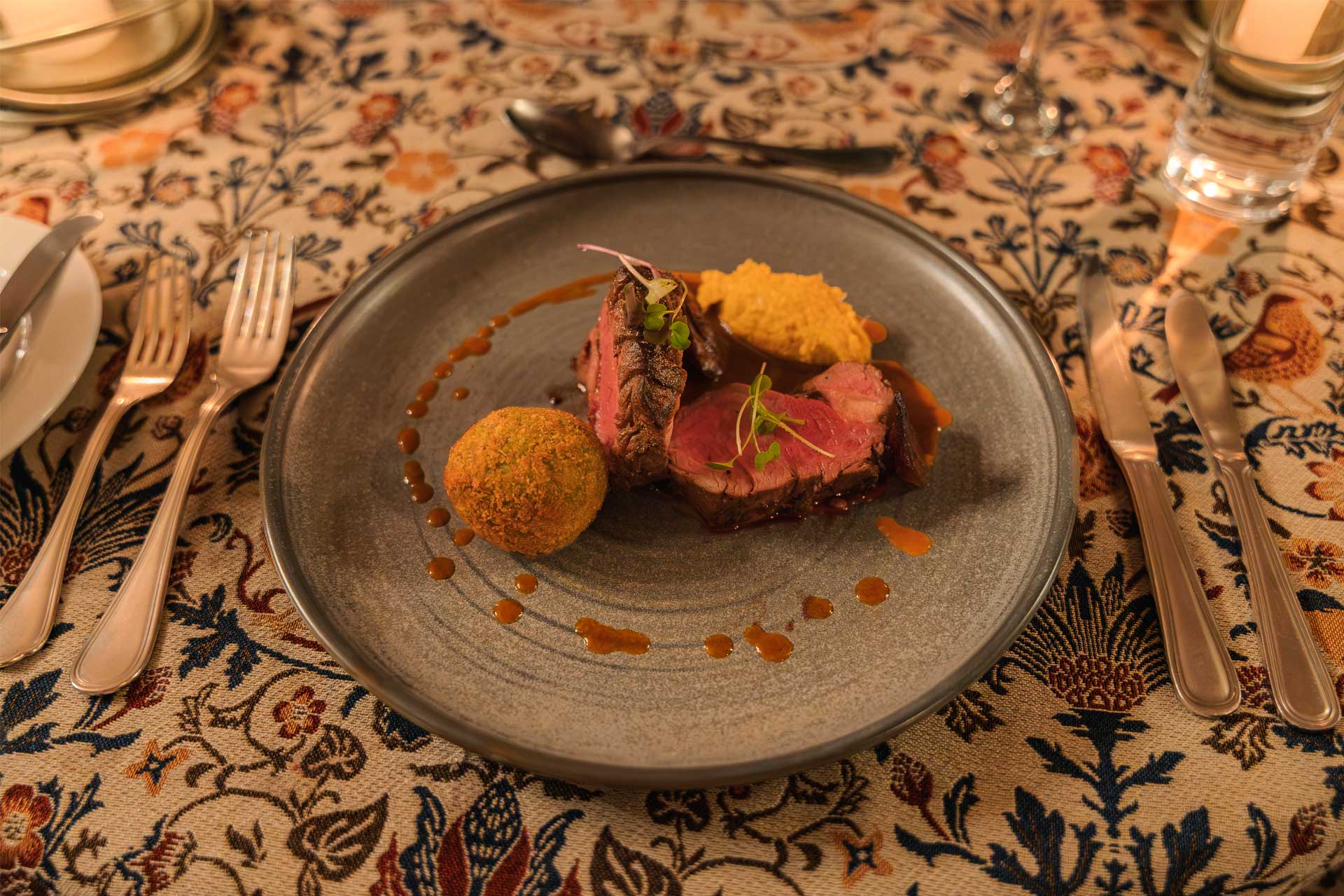
The Foraged Menu: Every ingredient on this menu has been gathered by hand from the hills, grasslands and woodland around camp. The starter pairs charred cabbage with an essence of Acacia nilotica bark – a tree long valued for its aromatic and medicinal properties. A main of handmade ravioli with wild spinach, foraged sage and mushroom sauce follows, and dessert spotlights the Carissa edulis berry, foraged from the hills behind camp and celebrated as a natural superfood.
The 1920s Menu: Inspired by the original recipes of early Cottar’s expeditions – when safari parties travelled deep into the bush for months with little opportunity for resupply – this menu revives slow-cooked, hearty dishes prepared over open fire in traditional cast iron potjie pots. The centrepiece is a classic ossobuco braised low and slow, served with roast potatoes and chargrilled vegetables, followed by a pink gin and tonic sorbet – a nod to the enduring safari sundowner.
In Competition with Baboons: Rooted in the idea that early humans learned many foraging behaviours from other primates, this menu opens with Tilapia ceviche from Kenya’s Lake Victoria – a nod to the theory that baboons first showed humans how to fish. The main course is Mwea duck with matoke gnocchi and sour plum sauce, reflecting the opportunistic diet of baboons in the wild. Dessert celebrates the fruits and berries that form an important part of primate diets: a gooseberry custard tart with gooseberry sorbet and fresh gooseberries.
BBQ Eve: Inspired by the shared love of open-fire cooking across Kenya and East Africa, this social menu gathers guests around the flames. It opens with charred grapes and creamy camembert, before moving to a spread of barbecue favourites: gochujang chicken, lamb chops, boerewors, and oyster mushroom and cabbage skewers, all served alongside BBQ sweet potato with herby sauce. Dessert is sumac-dusted fire-roasted fruit with yoghurt cream.
Hints of Africa: A menu that draws on the breadth of the continent’s culinary traditions, combining locally sourced ingredients with regional flavour influences. Guests begin with carrot terrine and burnt carrot crumb, before a roast fillet of beef served alongside irio croquettes and kachumbari – East Africa’s vibrant fresh tomato salsa. The evening ends with malva pudding and Amarula butterscotch, finished with chai ice cream – a warm, richly spiced close to the meal.
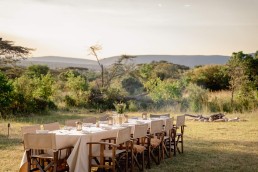
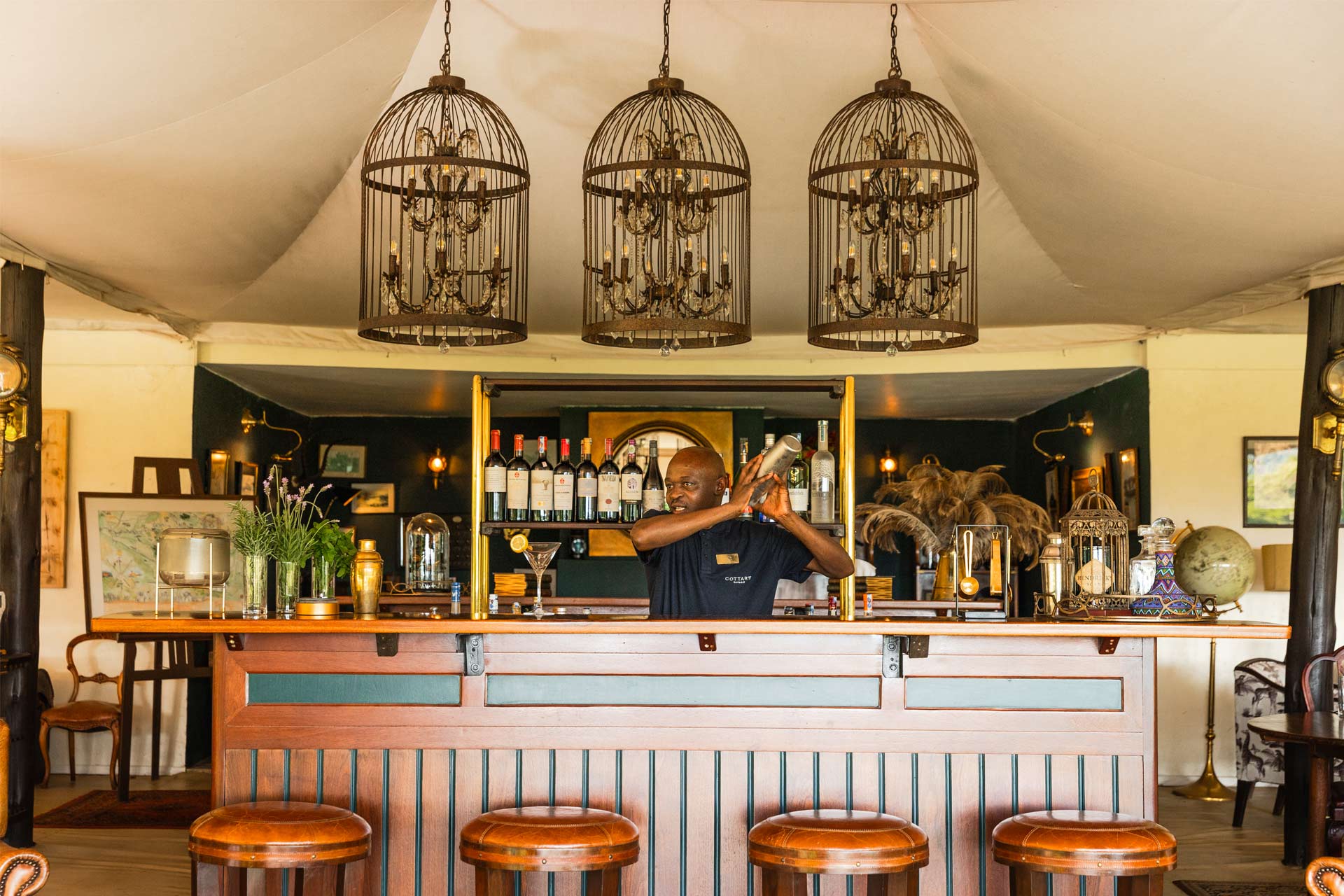
The new menu experience is complemented by two further enhancements to the camp’s dining offering. Cottar’s 1920s Camp Mess Tent, the social heart of camp, has been updated with new flooring, a dedicated wine cellar, a new fireplace and an open-air BBQ area. The property has also opened a dedicated bush dining site within the Olderkesi Conservancy, just ten minutes from camp.
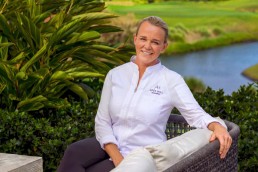
“We wanted our dining experience to reflect everything that makes this place extraordinary,” says Louise Cottar, CEO of Cottar’s Safaris. “The Maasai Mara is not just a backdrop – it is an ecosystem, a culture and a living history. Our menus are designed to bring that world to the table, one course at a time.”