Interview: Guy Owen on falling in love with cooking and joining The Idle Rocks
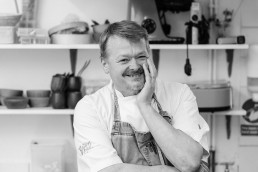
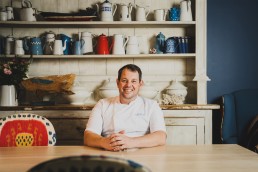
Raised in South East Cornwall from the age of eight, Guy Owen’s connection to food began early, shaped by long hours spent in the kitchens of local restaurants where he worked after school and at weekends.
Eager to refine his craft, he went on to train under some of London’s leading chefs, including Gordon Ramsay, Jérôme Tauvron, and Bruce Poole. In 2009, Owen returned to the West Country, bringing his experience back to its roots. There, he further honed his skills at establishments such as Gidleigh Park under Michael Caines MBE and Driftwood Hotel with Chris Eden. Most recently, he spent five years at St Enodoc Hotel in Rock before taking up his latest role as Executive Chef at The Idle Rocks.
In our interview, he discusses the chefs that have inspired him throughout the years, and his current favourite dish on The Idle Rocks’ menu.
When did you first fall in love with cooking?
I think it’s always been there in some way or another. I grew up around it. My mother has always been an outstanding cook, and both my grandmothers. I think if you are surrounded by great food, it’s natural that you fall in love with it.
How would you describe your culinary style?
That’s becoming an easier question to answer as I get older. I just cook what feels right. Refined, but not fussy or overthought.
What is your culinary vision for the menu at The Idle Rocks?
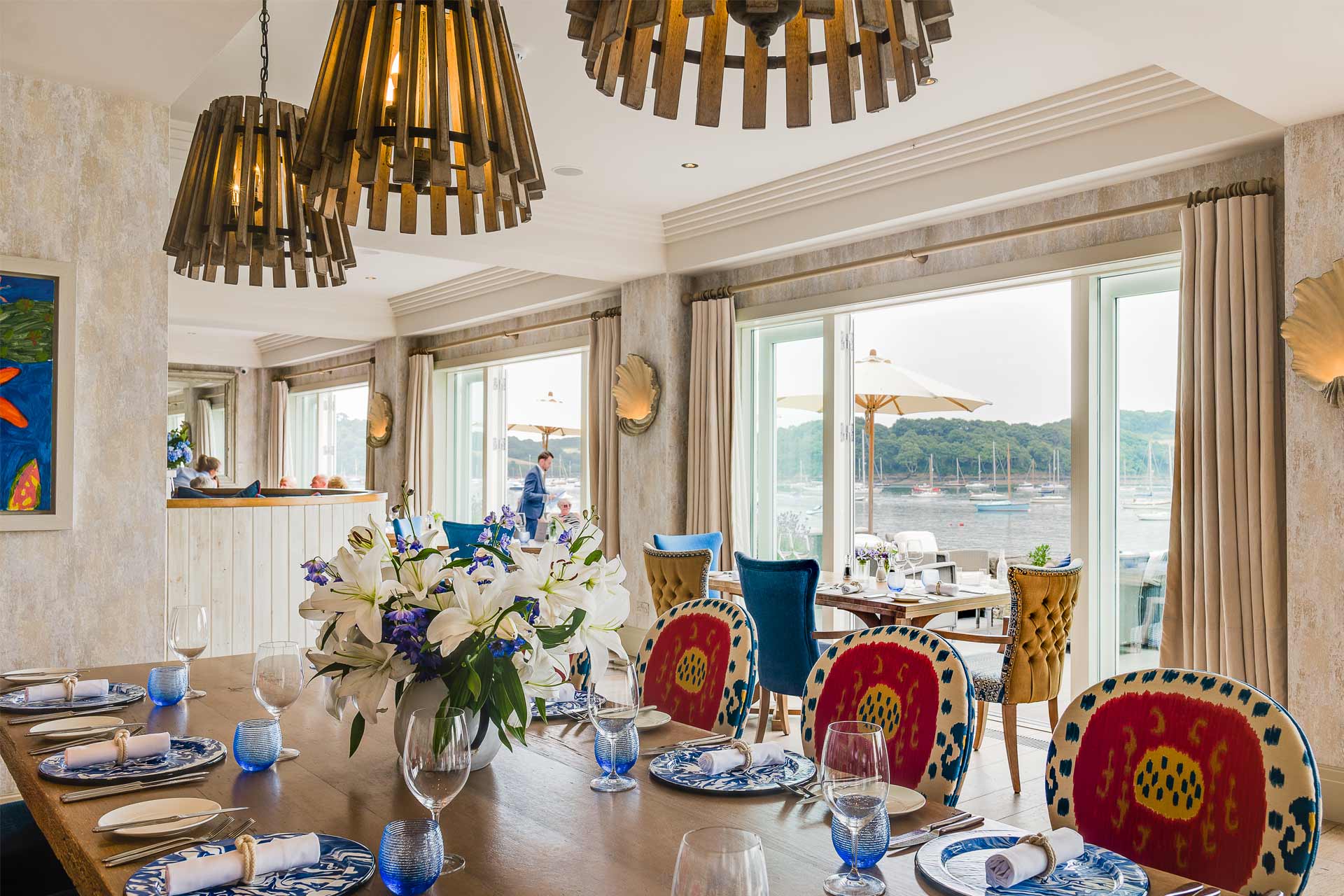
To be recognised as an approachable destination establishment. The Idle Rocks is a beautiful venue, it’s now just about encouraging a wider demographic into its incredible building.
I want to give control to our guests in terms of how they want the experience to happen. We have a tasting menu, an à la carte, right through to a snack menu. Whether it’s seven courses, wine flights or a couple of sundowners and some light, refined snacks on our terrace, it’s about the guest having options.
Do you have a favourite dish on the menu?
Oysters. They come from Porthilly and we serve them with a really fresh Thai dressing. 12 of those and a bottle of Chablis. All day long.
What is the most important lesson you’ve learned during your career?
The mentality and direction you start with seldom remains the same through to the latter part of your career, so allow yourself to be adaptable and open to other styles. For so many years, I only ever really associated good restaurant food as being fine-dining driven. But I can only recall two Michelin-starred restaurant experiences that are in my top ten (Madonnina Del Pescatore and Ynyshir).
The rest are dependent on where I am, and who I am with. It’s not about how clever you can be at putting food on a plate, it’s about how that food makes you feel. Food is an important part of the meal, but the experience is what lingers and brings a smile to your face in the years to come.
What are the biggest challenges faced by the hospitality sector and how are you tackling them?
I could sit here and say all of the obvious things: rising costs, business rates. But it’s all of those things and more.
In the last six years the consumer’s attitude has changed, as has that of those working in the industry. We must understand that we are here to provide a paid service, to look after and care for our guests and to work the antisocial hours. We need to strip things back again and remember who and what we are in this industry. Paid people, with fantastic and creative minds.
Anyone entering this industry with the mindset of a 30-hour week and only working daytime shifts, please be ready for this industry to not give back to you in the glamorous way you think it will. Every successful individual I know has earnt the right to be in the places that they are, and that’s come with sacrifices. It may not seem fair at the time, but it’s relevant in any success journey.
Which chefs have inspired you?
I was transfixed on Magnús Nilsson for a period of time. I felt he was so unique in his approach and style; miles away from anything mainstream, so natural and pure. Sean Brock is another. He knows his craft, his region and the history of the food, and modernises it. He looks at corn the same way we all look at a 7kg turbot. That’s an inspired chef in my eyes.
What is your approach to sustainability in your cooking?
Sustainable cooking is such a broad topic. Is cooking sustainably about minimising waste? Or using only local and organic products? Or is it about reducing plastic and packaging?
We practice as much of that as possible, but the reality is that the wholesaler reigns supreme due to supply and demand. We will always bang the drum of sustainable cooking. We will use the local boats, we will use the local butchers, of course. But how feasible that is long term, remains to be seen.
What would you like your next project to be?
I think I’ve got enough to worry about already. But in a dream world, a project involving a cookery school, or perhaps something small in a city.
What is your favourite dish, and who cooks it?
That’s an impossible question to answer with only one:
- Dave Jenks – Salumi Plymouth – Pork, Skate, Peanuts
- Gareth Ward – Ynyshir – The Wagu Burger
- Moreno Cedroni – Madonnina del Paescatore – The Oyster Risotto
- My mum’s roast dinner