Interview: Chris McClurg on his culinary vision for Regency House in Belfast
County Down native Chris McClurg has worked in Belfast, London, Brussels and Cornwall, building his experience across butcheries and high-profile kitchens since the age of 17. A finalist on BBC’s Great British Menu in 2019, he spent 13 years at Paul Ainsworth at No6, rising from Chef de Partie to Chef Patron and helping the restaurant earn and retain its Michelin star.
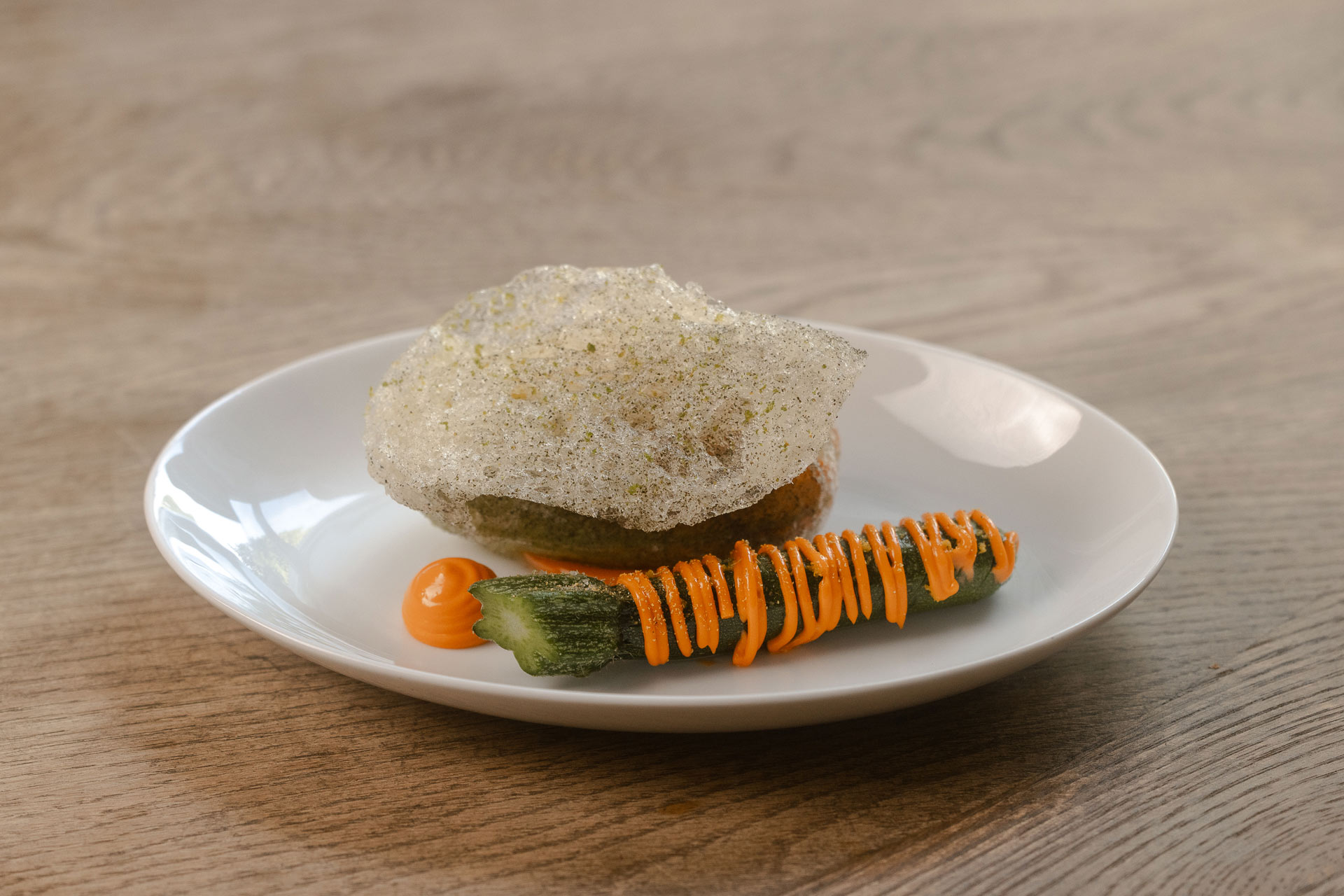
Now at Regency House in Belfast, his latest venture with Alice Stewart, McClurg draws on a network of local producers to shape the contemporary bistro menu. Standout dishes include a playful take on potato cake, Conway Farm courgette flower stuffed with scallop and lobster, and beef fat sticky toffee pudding with clotted cream. Brunch also features McClurg’s signature sourdough pancakes, topped with Irish streaky bacon or blueberry compote and whipped vanilla cheesecake.
In our interview, McClurg reflects on the chefs who have shaped his career, the importance of Irish produce and his ambitions for Fauna Hospitality.
When did you first fall in love with cooking?
This may sound cliché, but I consider myself incredibly lucky because food and cooking have been in my life for as long as I can remember. Special meals were always our ‘treat’ times, while family holidays were heavily centred on foodie excursions in Ireland. Canoe foraging for huge mussels in Killary Fjord in Connemara and washing them in the bathtub at our holiday home in Old Head holds a particularly fond place in my heart.
Although I was no good at art in a traditional sense, I love music and creativity. I suppose my chosen vocation just so happens to also be my first true love.
How would you describe your culinary style?
I’m lucky to have travelled to some fantastic places known for exceptionally delicious cuisine, so it would be remiss of me not to say that, over the years, my food has picked up global influences. At its heart, however, it remains rooted in classical French gastronomy. I would describe it as traditionally rooted, with bold flavours, a focus on protein and a lightness of touch.
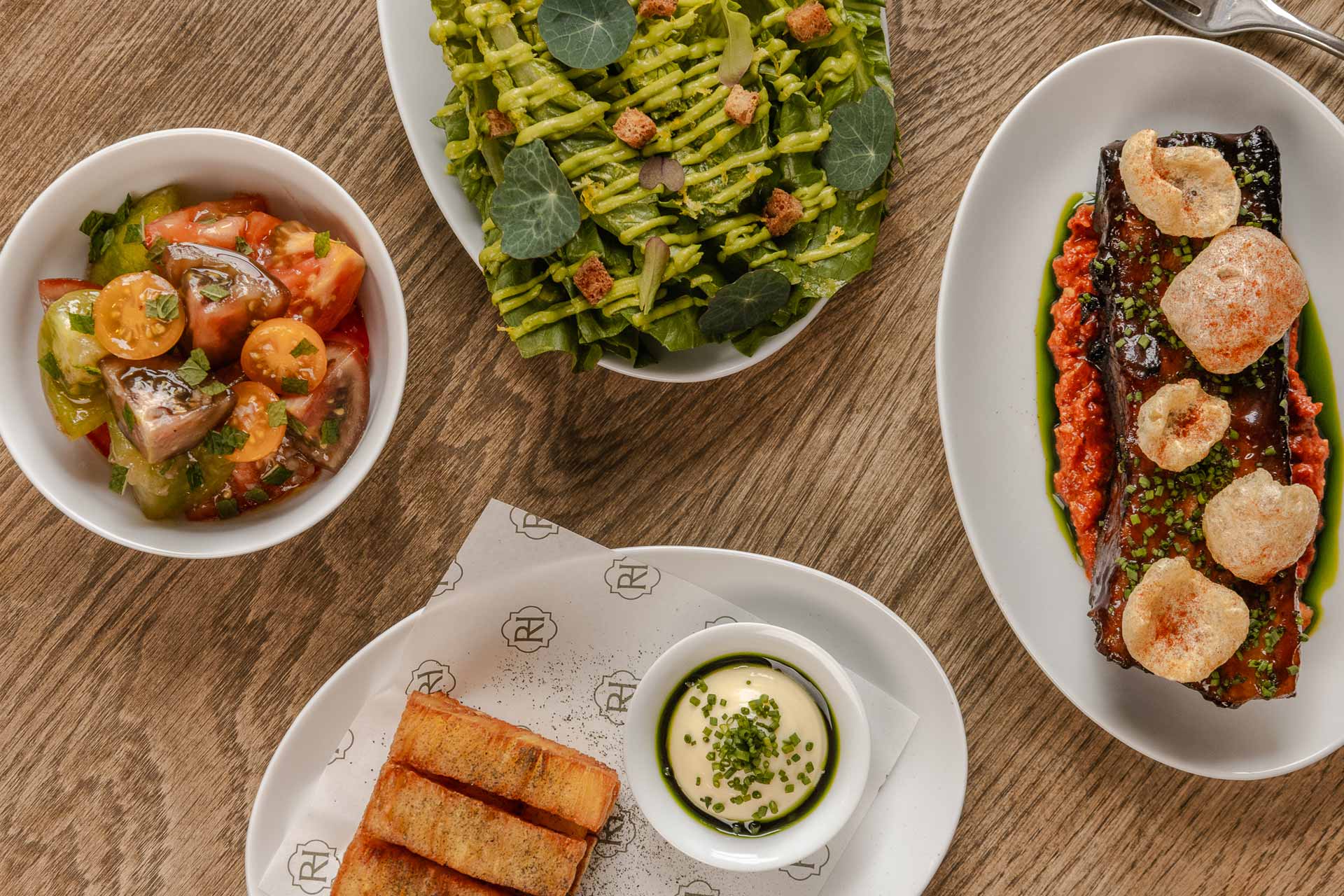
What is your culinary vision for the menu at Regency House?
Regency House, under the direction of Alice and me, is in its infancy. In many ways, she is a blank canvas waiting to be adorned. We are only a number of weeks into our first seasonal menu and have learned a lot already: what works, what doesn’t, what the real guest favourites are and which dishes we loved on paper but just aren’t practical in our tiny kitchen.
The vision, in many ways, remains constant, even though the dishes, menu and cooking continue to evolve. We source the very best produce we can afford, focus heavily on the incredible farming in Ireland and cook simply but accurately, with an emphasis on larger cuts of meat and fish designed to be shared.
Do you have a favourite dish on the menu?
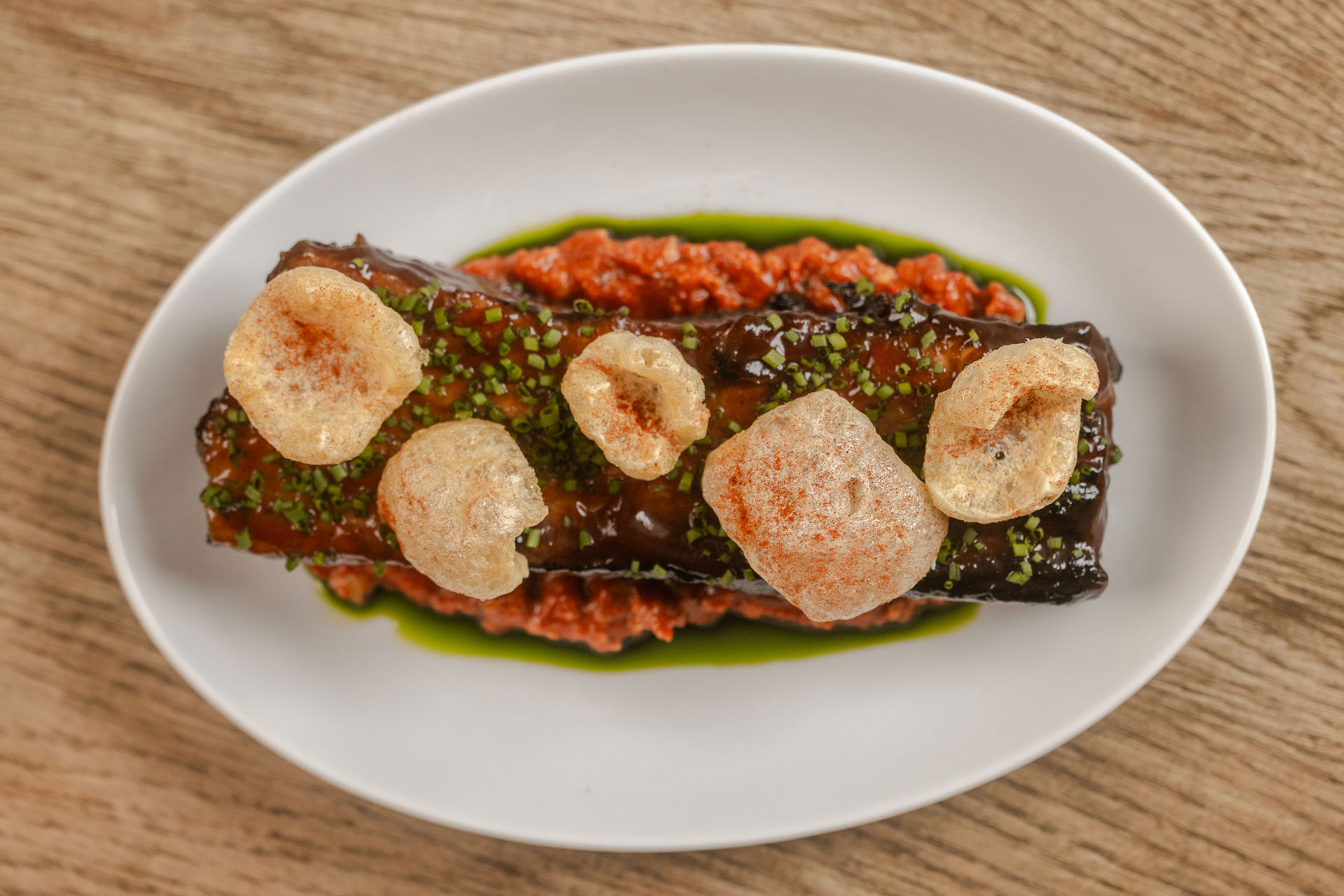
I love them all. The menu is too concise to have any stocking-filler dishes and we truly believe they all deserve their place. Our guests’ favourite dishes seem to be the Atlantic yellowfin tuna tartare or saddleback pig rib. Pretty much every table now orders at least one potato cake, more often than not alongside a 30g tin of Umai caviar, which we price extremely competitively, basically just covering our costs, to give all our guests an opportunity to experience how incredible a proper dollop of chilled caviar can be on top of that crisp, fried potato.
The main courses are really evenly split. We are on our second iteration of the Murley Mountain lamb dish, which is going down a storm, but we are also making a bit of a name for ourselves as a dark horse if you are looking for a really special date-night steak, cooked beautifully over coals.
What is the most important lesson you’ve learned during your career?
I have to say, the most poignant thing I was ever told was when I worked for Paul Ainsworth, and it is quite possibly the simplest. It’s an excerpt from his recipe for life, beautifully illustrated by Jessie Bayliss, which has pride of place in all of his businesses: stay humble, always be the hardest worker in the room, be kind and stay teachable.
What are the biggest challenges faced by the hospitality sector at the moment, and how are you tackling them?
These are well documented. Rising operating costs and a cost-of-living crisis curbing people’s appetite to dine out as regularly are the perfect storm for businesses to fail.
We just remain positive and always try to offer the best value possible for our guests who choose to spend their time and money with us, making sure they know just how valued they really are, while building a solid foundation in the business to support our team and ourselves as we build on the initial success we have achieved.
We have a team of 34 people across the restaurant and accommodation. Quite simply, we can’t allow this to do anything other than succeed because we have too much responsibility. That is what spurs us on.
Which chefs have inspired you?
Early in my career, as a wet-behind-the-ears 16-year-old commis, I would get lost in awe in books like White Heat, The French Laundry and Gordon Ramsay’s Three Star Chef. I was amazed that chefs like Marco, Gordon and Thomas could reach the dizzying heights of three Michelin stars and global influence.
As I built the foundations of my cooking as a young chef in Belfast, I looked up to chefs like Phil Howard and Gary Rhodes. I was lucky enough to do a stage at the eponymous Square while Phil was very much at the coalface and it was in its heyday. It was incredible. I could listen to Phil Howard talk about his food philosophy all day long.
My biggest inspiration has to align with the biggest chapter of my career. I worked for Paul Ainsworth for 13 years and it shaped far more than my philosophy on food. It showed me that chefs can also be restaurateurs and successful businesspeople with the right balance of hard work, mentorship, courage, drive and a bit of luck.
What is your approach to sustainability in your cooking?
We focus on the things we can have an impact on. I work closely with our butchers to make sure we help with carcass balance and don’t just always demand prime centre cuts. Whole-animal butchery is something I’m extremely passionate about.
We cook seasonally and as locally as possible, and have enough depth in our repertoire to tackle whatever our local growers have in abundance. We always try our best to use the things others sometimes avoid.
What would you like your next project to be?
We are so new into our formative solo venture that our entire focus is on that at present, but we have dreams of expanding Fauna Hospitality’s operations to one day encompass town, country and coast.
What is your favourite dish, and who cooks it?
Impossible question. There are so many memorable ones over the years, and so many of my favourite dishes transcend cuisines and are of a time and place. A salt beef on rye at Katz’s Deli in NYC, crab omelette at Jay Fai in Bangkok, oysters and pearls at Per Se, pig trotter by Pierre Koffmann, sika deer and red vegetables at The Ledbury. The list goes on.